Song Meaning
The lyrics paint a picture of intense, almost destructive devotion, where the narrator's world shrinks to encompass only one person. The opening lines, sung in French, set a stark, possessive tone: "If I don't like it, I'll burn it anyway." This immediately signals a volatile emotional landscape, hinting that anything not aligned with the narrator's singular focus is subject to annihilation. The subsequent verses, sung in Bengali, describe a world that blossoms and sings around the object of affection, yet this beauty feels isolating. The narrator observes that while the beloved's presence causes flowers to bloom and birds to sing, those same birds don't recognize the narrator, suggesting a profound sense of being unseen outside of this one relationship.
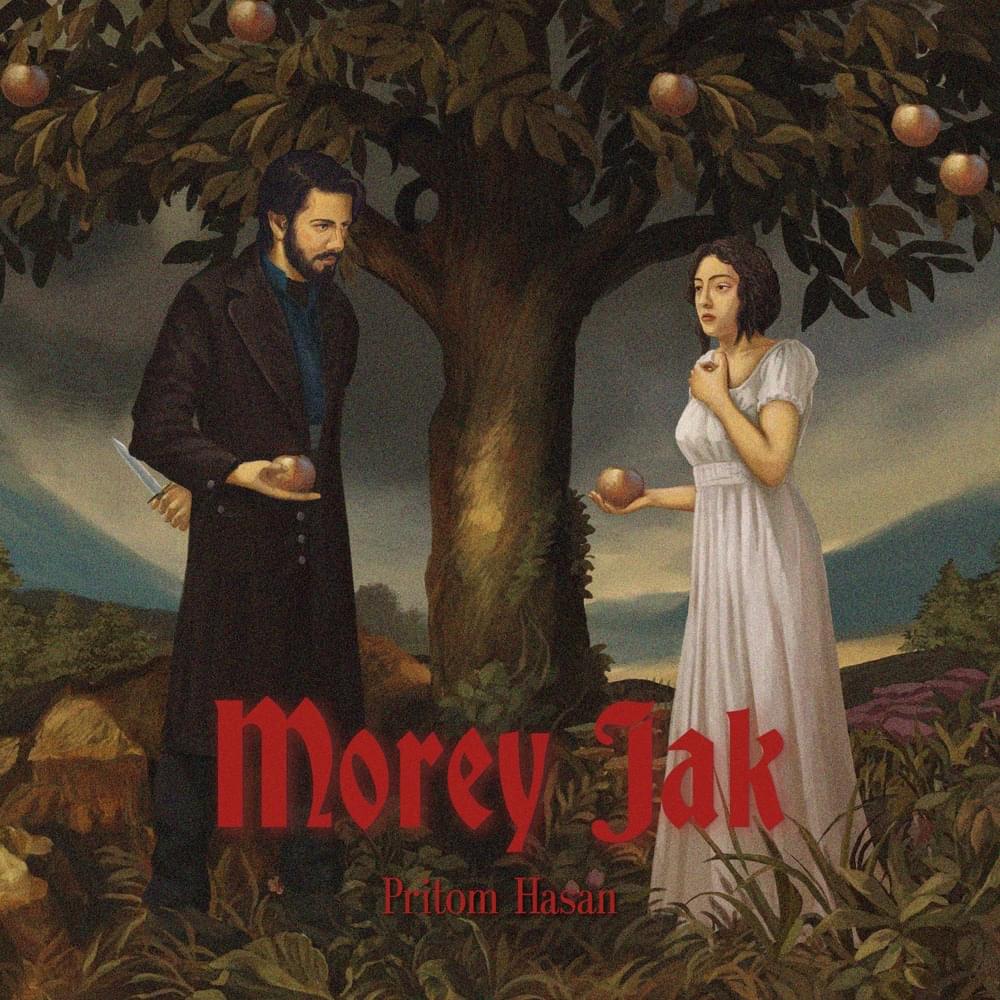
The central tension explodes in the chorus: "I want everyone in the world to die / Just let your flowers, your birds stay alive." This is a radical, almost nihilistic desire, born from a place of extreme possessiveness and perhaps insecurity. The narrator wishes for the obliteration of everything else, preserving only the elements associated with the beloved. This is further complicated by the line, "Just let my mistakes, your smiles stay alive," creating a strange juxtaposition of personal flaws and the beloved's joy as the only things worth saving from a world destined for ruin. It’s a desperate plea to keep a sliver of reality intact, but only the parts that directly relate to their shared, albeit skewed, existence.
The lyrics employ striking imagery of fragility and decay. The narrator asks the beloved to look into a "lifeless mirror," suggesting it will shatter, implying that even reflections of reality are too fragile to withstand the intensity of their gaze or the weight of the narrator's emotions. The beloved's "favorite stars" have forgotten the narrator, reinforcing the feeling of being erased from any existence outside the beloved's immediate orbit. This sense of fading recognition, coupled with the desire for universal destruction, highlights a deep-seated fear of abandonment and a desperate attempt to control the narrative of their own existence by eliminating all other possibilities.
Ultimately, the effectiveness of these lyrics lies in their unflinching portrayal of an all-consuming, isolating love. The contrast between the vibrant natural imagery associated with the beloved and the narrator's destructive wishes creates a powerful emotional dissonance. The repeated French phrase in the outro, "Si je n'aime pas, Je le brûlerai de toutes façons," acts as a chilling coda, reinforcing the initial threat and leaving the listener with the unsettling feeling of a love that demands absolute control, willing to burn down the world to preserve its singular, fragile focus.
 View Artist