Song Meaning
The narrator stumbles back from a night of heavy drinking, quite literally bruised and disoriented. They describe returning from a "flám" (a spree or binge) with a "rána" (wound) and speaking "z cesty" (off-track, nonsensically). The image of holding their own pale face in their hands emphasizes a profound sense of self-awareness of their current, sorry state.
The core tension arises from the contrast between the internal chaos and the external world. The world "houpá" (sways) when it should be still, and the narrator knows they should be asleep, yet they are awake and exposed. This disorientation is amplified by the repeated phrase "Mám šikmej stín" (I have a crooked/slanted shadow), suggesting a distorted perception or a visible mark of their debauchery that draws judgment from others who walk by with "nosem zdviženým" (noses held high).
The most striking craft element is the persistent, almost hypnotic repetition of "Mám šikmej stín." This refrain, coupled with the sensory details like a burning throat and the "špinou cesty" (dirt of the road), paints a vivid picture of a person physically and mentally off-kilter. The wind "fouká, tak fouká" (blows, blows so much) adds to the feeling of being buffeted by forces beyond their control, making the narrator feel scrutinized by everyone who "Se kouká na můj stín" (looks at my shadow).
This lyrical approach is effective because it grounds abstract feelings of shame and regret in concrete, physical sensations and observations. The narrator isn't just sad; they are physically unwell, their shadow is warped, and they feel the sting of public disapproval. The final image of the sun casting its "zlatou zář" (golden glow) onto their stumbling path offers a complex, perhaps ironic, contrast: even as they are at their lowest, the world continues with its indifferent beauty, highlighting their isolation inebriated plight.
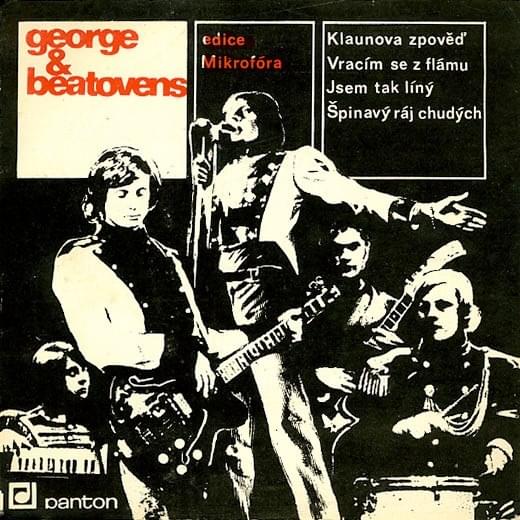
 View Artist