Song Meaning
The narrator is utterly spent, physically and emotionally, caught in a state of profound inertia. The opening lines paint a picture of someone immobilized by heat, a literal and perhaps metaphorical exhaustion that makes even simple requests feel like monumental efforts. This isn't just laziness; it's a deep weariness that demands to be left alone, a plea for stillness in the face of overwhelming sensation.
The core tension arises from a paradox: the narrator claims to be 'znavený' (weary) from love, yet simultaneously expresses a desire to control and possess another person through the metaphor of the sun. This yearning to bind someone with heat, to force them into a state of passive dreaming, suggests a complex emotional landscape where exhaustion and a desperate need for connection or control intertwine. It's a strange, almost possessive fantasy born from a place of depletion.
The repeated image of wanting to be the sun is particularly striking. It's not a gentle warmth but a binding, scorching heat, an active force that compels another into a state of enforced rest and dreaming. This contrasts sharply with the narrator's own passive, lying state, suggesting a fantasy of exerting power from a position of utter powerlessness. The lyrics anchor this desire in the image of the other person lying in the hay, a pastoral scene that feels both idyllic and slightly sinister under the sun's oppressive gaze.
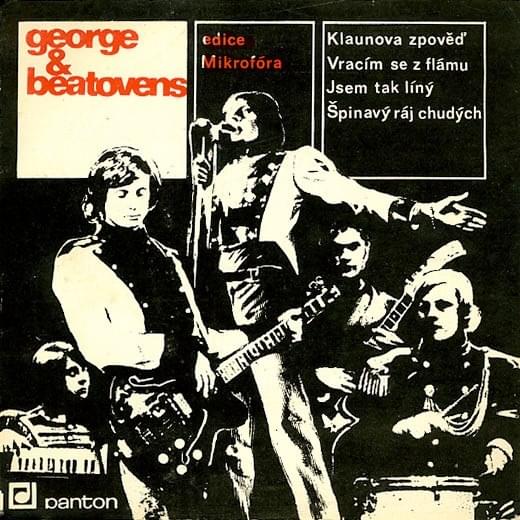
Ultimately, the effectiveness of these lyrics lies in their stark portrayal of emotional and physical depletion. The simple, repetitive declaration of being 'tak líný' (so lazy) becomes a powerful refrain, underscoring a state of being where even desire is filtered through an overwhelming sense of fatigue. The juxtaposition of this inertia with the aggressive fantasy of the sun creates a compelling, unsettling portrait of someone overwhelmed and seeking an impossible form of control.
 View Artist