Song Meaning
The lyrics paint a stark picture of lingering absence and a desperate yearning for a lost connection. The narrator is haunted by the "shadow" of a face and the "sin" of a past love, existing in a state of confusion between dream and wakefulness, only to be tormented by the sound of a remembered laugh. This immediate disorientation sets a tone of profound loss and unreality.
The central tension lies in the narrator's obsessive desire to recapture a "day of happiness" with the object of their affection. Phrases like "Baby, I want to have you" and "See your face again" reveal a deep longing for physical presence and shared experiences, specifically wanting to "go out with you" and "live a day of happiness again." This desire is juxtaposed with the painful reality of the other person's apparent absence or unavailability, highlighted by the question "When will you kiss me again?"
A striking element is the shift in imagery towards the end. The "children's laughter" from afar emphasizes the narrator's isolation, contrasting with the implied joy of others. The act of giving "a few bloody roses to Václav" is particularly potent; it suggests a somber, perhaps ritualistic offering, possibly at a memorial, indicating the finality of the loss and the narrator's solitary grief. The repetition of "Baby, I want to have you" throughout the song underscores the persistent, almost desperate nature of this longing.
This writing is effective because it grounds abstract feelings of loss and longing in concrete, albeit fragmented, images and desires. The contrast between the remembered joy ("your laugh," "a day of happiness") and the present desolation ("shadow," "alone," "bloody roses") creates a palpable emotional ache. The narrator’s simple, direct pleas, like "When will you kiss me again?" coupled with the unsettling imagery of the roses, make the pain feel raw and immediate, resonating with anyone who has experienced profound separation.
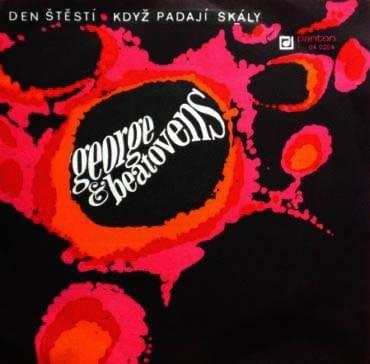
 View Artist