Song Meaning
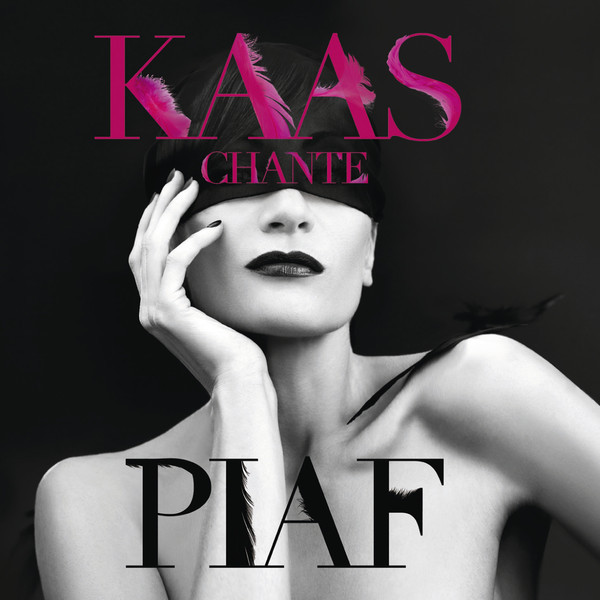
Patricia Kaas's rendition of "Je t'ai dans la peau" (originally by Édith Piaf) is more than a love song; it's a raw, visceral depiction of obsession bordering on addiction. The repeated phrase "Je t'ai dans la peau" ("I have you under my skin") isn't a tender sentiment but a desperate confession. It speaks to a love so deeply ingrained it's inescapable, a constant presence that permeates every aspect of the narrator's being. The lyrics convey a sense of helplessness, a recognition that she's lost control to this overpowering emotion.
The stark simplicity of "Toi... Toujours toi... Rien que toi... Partout toi..." at the song's opening establishes the all-consuming nature of this love. It's a mantra of devotion, but also a lament. The narrator acknowledges the futility of resisting this force: "J'ai beau chercher à m'en défaire / Tu es toujours près de moi" ("I try to get rid of you / You are always near me"). This isn't a celebration of romance; it's an admission of dependency. The physical sensations described – "J'ai froid, j'ai chaud / Je sens la fièvre sur ma peau" ("I'm cold, I'm hot / I feel the fever on my skin") – further emphasize the intensity of this internal struggle, portraying the love as something akin to a disease.
Ultimately, "Je t'ai dans la peau" explores the darker side of love, the point where passion transcends rational thought and becomes an imprisoning force. The line "Et je t'aime, je t'aime à en crever" ("And I love you, I love you to die for") isn't a romantic declaration but a chilling expression of self-destructive devotion. Patricia Kaas's interpretation, steeped in her signature melancholic style, amplifies the song's inherent tragedy, transforming it into a haunting portrait of emotional captivity. The meaning of the song, therefore, resides not just in the words, but in the palpable sense of desperation and the unsettling acceptance of a love that consumes rather than fulfills.
 View Artist