Song Meaning
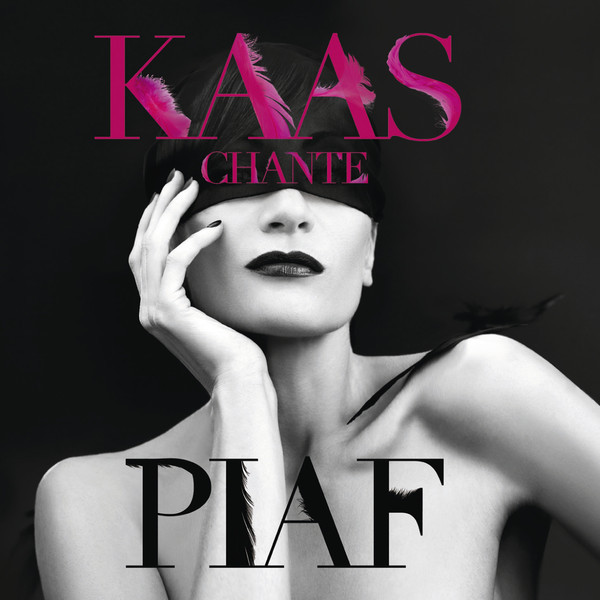
Patricia Kaas' rendition of "Non, je ne regrette rien" isn't just a song; it's an act of defiant self-possession. Originally popularized by Edith Piaf, the song's enduring power lies in its brutal honesty about the past. The lyrics are a scorched-earth policy applied to memory, a conscious decision to incinerate both the good and the bad. It’s a purging ritual set to music, a declaration that the speaker has not only survived but thrived by shedding the weight of experience. The genius is in the simplicity: "Non! Rien de rien...Non! Je ne regrette rien." It's not a naive claim of a perfect past, but a steely-eyed refusal to let the past dictate the future.
The song meaning is layered with psychological depth. The lines, "Avec mes souvenirs, J'ai allumé le feu" suggest a cathartic confrontation with painful memories, using them as fuel for a personal rebirth. It's a controlled burn, not a wildfire. This isn't about forgetting; it's about actively choosing what to carry forward. The rejection of "les amours et tous leurs trémolos" speaks to a weariness with emotional drama, a desire for a clean slate free from the baggage of past relationships.
Ultimately, "Non, je ne regrette rien" isn’t about nihilism, but about radical self-determination. The final lines, "Car ma vie, car mes joies, Aujourd'hui, ça commence avec toi!" hint at a future made possible by this act of severance. It's a phoenix rising from the ashes of regret, ready to embrace a new beginning, unburdened and unapologetic. Patricia Kaas delivers this message with grit and vulnerability, making it clear that true strength lies not in denying the past, but in consciously choosing to leave it behind. This lyrics analysis reveals a powerful statement about resilience and the human capacity for renewal.
 View Artist