Song Meaning
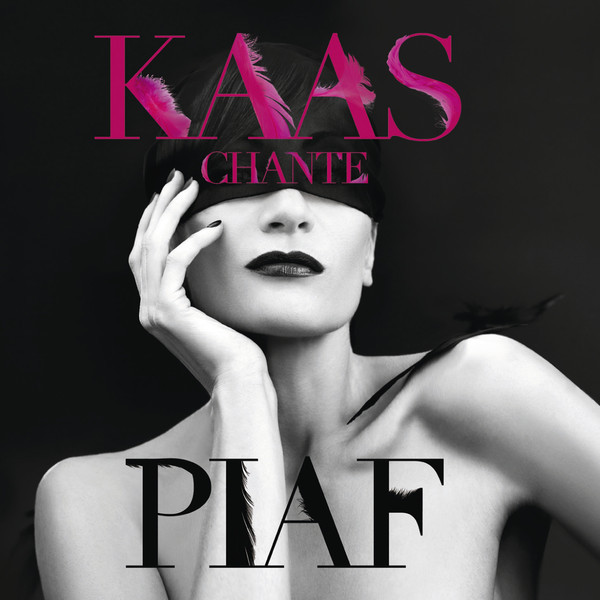
Patricia Kaas doesn't just sing 'Mon Manège À Moi'; she embodies its dizzying, obsessive core. The song, a classic of French chanson, isn't simply about being in love; it's about the intoxicating, sometimes disorienting, experience of surrendering oneself completely to another. It's about the feeling of being on a carnival ride, specifically 'my merry-go-round,' where the world spins because of—and only because of—this one person. The lyrics paint a portrait of utter devotion. The object of her affection possesses eyes that command kisses, a laughter that dissolves into his mouth. This isn't just attraction; it's a complete and total captivation. The repeated phrase 'Quand il me prend dans ses bras / Il me parle tout bas / Je vois la vie en rose' ('When he takes me in his arms / He speaks to me softly / I see life in pink') drives home the transformative, almost hallucinatory, effect of his presence.
The song's genius lies in its recognition of love's double edge. Yes, there are 'nuits d'amour à ne plus en finir' ('nights of love that never end') and 'un grand bonheur' ('a great happiness'). But there are also 'ennuis, des chagrins, des phases' ('troubles, sorrows, phases'). The relationship isn't idealized; it acknowledges the inherent ups and downs. Yet, even the 'chagrins' are experienced through the prism of this all-consuming love, becoming part of the dizzying ride. This nuanced approach to the song's meaning is what elevates 'Mon Manège À Moi' beyond simple romance. It's a raw, honest portrayal of how love can become an addiction, a force that both elevates and destabilizes.
At its heart, 'Mon Manège À Moi' explores the psychological dynamic of idealization and dependency within a romantic relationship. The singer's identity seems almost entirely defined by her lover's gaze. Her happiness, her perception of reality ('Je vois la vie en rose'), even the beating of her heart are all contingent on his presence and affection. This raises questions about the nature of self-love and the potential dangers of placing one's entire emotional well-being in the hands of another. The song's enduring appeal lies in its ability to tap into this universal human experience – the intoxicating, sometimes terrifying, surrender to the 'merry-go-round' of love.
 View Artist