Song Meaning
The lyrics paint a stark picture of quiet desperation, beginning with the image of sweat drying on sheets and a lamp dimming, suggesting a life losing its vitality. The narrator, or the subject of the song, is contemplating an escape, a meticulously planned departure from a suffocating routine. This isn't a sudden impulse but a deliberate "huida, despacio, lentamente," a slow, almost reluctant unraveling from the present.
The central tension lies between the desire for radical change and the inertia of daily life. The narrator expresses a vague urge to "luchar" and undergo an "alma remuda," a soul makeover, to embark on a "vida tan bella." Yet, this idealized future is juxtaposed with the mundane reality of "cien televisores apagados," a beauty found in the absence of stimulation, hinting at a profound weariness. The feeling of being "vencido" like "letras de cambio" – bills of exchange – underscores a sense of obligation and financial or existential debt.
The craft here is in the subtle, almost mundane imagery that carries heavy emotional weight. The "tela de araña que se metió en su frente" is a brilliant, internal metaphor for obsessive, persistent thoughts that the narrator hopes to leave behind. The contrast between the "libro abierto" and a gaze fixed "entre dos páginas" suggests a disconnect, a mind present but not engaged, mirroring the clock ticking "por costumbre" with "nada, nunca nada" happening. This deliberate use of passive, almost lifeless descriptions amplifies the feeling of stagnation.
Ultimately, the effectiveness of these lyrics stems from their unflinching portrayal of a common, yet rarely articulated, form of despair. It's the quiet surrender to the weight of responsibilities – "los niños, el colegio, los plazos" – that crushes the spirit. The narrator isn't battling a dramatic foe but succumbing to the slow erosion of dreams, finding solace only in the imagined quietude of a life stripped bare, like a stack of unpaid bills.
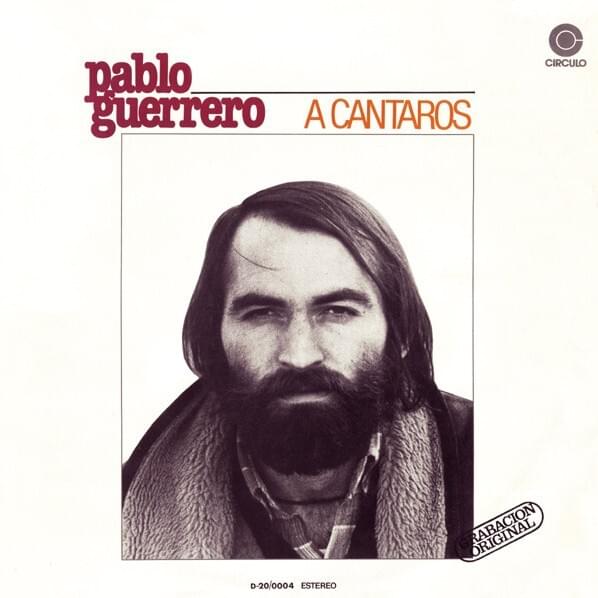
 View Artist