Song Meaning
The lyrics paint a portrait of a woman, initially described as "bella y católica" and "presentable," who was raised with a very specific, traditional role in mind: good daughter, lover, wife, and mother of a large family. This upbringing instilled a sense of discipline and faithfulness, yet there's a subtle hint of artifice in her "sonrisa de papel" and "ojos por siempre impermeables," suggesting a carefully constructed facade. The narrator's departure, marked by the repeated, stark "adiós," clearly catches her off guard, highlighting the disconnect between her expected life and the narrator's actions.
The central tension arises from the stark contrast between the idealized image of the woman and the reality that unfolds after marriage. The narrator notes a significant shift: "la cosa cambió." She's no longer just the presentable wife; she's "pobre, bella y malmaridada," resorting to "bigudíes" and buying "al por mayor." The narrator's own escape to "la Gran Vía" while she's left behind, hearing only the "susurro de abejas," underscores his detachment and her growing desperation or perhaps madness.
The most striking element is the narrator's detached observation of the woman's transformation and his final, almost dismissive, comment about women like her in Spain. He contrasts her initial, almost saintly, presentation with her later, more frantic domesticity – a "terror del polvo y de las telarañas" and a hunter of flies. This juxtaposition, coupled with his claim that he's "never seen women like these in my life," suggests a profound lack of understanding or empathy for the pressures and changes she underwent, framing her as an anomaly rather than a product of circumstance.
Ultimately, the lyrics resonate because they capture a specific kind of marital disillusionment and the painful surprise of abandonment. The narrator's perspective, while unsympathetic, offers a raw glimpse into a relationship where expectations clash violently with reality. The repeated "adiós" acts as a blunt instrument, severing the idealized past from a bleak present, leaving the listener to ponder the unspoken hardships that led to such a stark conclusion.
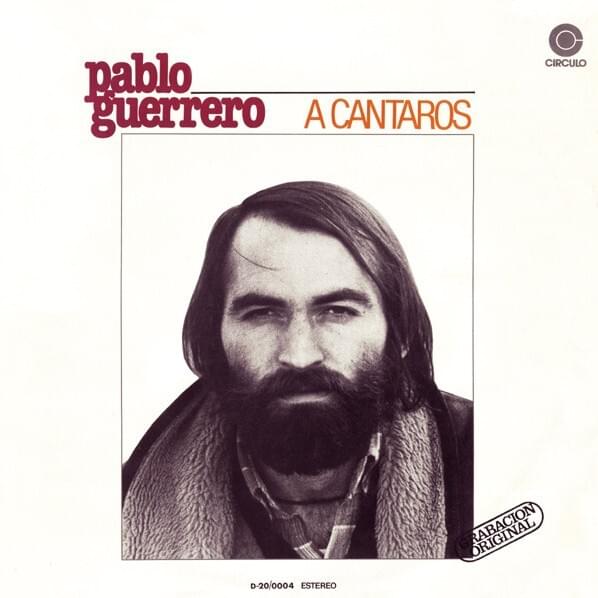
 View Artist