Song Meaning
The lyrics paint a stark, fragmented picture of simultaneous existence, where profound tragedy and quiet joy coexist in the present moment. The opening lines juxtapose a child dying of hunger with the birth of a river and a man finding freedom, immediately establishing a world of extreme contrasts. This isn't a linear narrative but a series of snapshots, suggesting that life's most significant events, both good and bad, are happening right now, everywhere.
The central tension lies in the overwhelming scale of human experience and the narrator's attempt to grasp it. The repeated "Tal vez ahora" (Perhaps now) acts as a hesitant, almost overwhelmed acknowledgment of this vastness. It highlights the uncertainty and the sheer volume of events unfolding, from a sinking boat where only the sea knows the names to a woman smiling and filling her dresses with dreams. This constant "perhaps" underscores a feeling of being adrift in a sea of possibilities and realities.
The most striking craft element is the parallel structure that links the narrator's emotional state to the "sky." The lines "Tal vez ahora ríen tus ojos cuando el cielo ríe / Tal vez ahora lloran tus ojos cuando el cielo llora" suggest a deep, almost empathetic connection to the natural world, or perhaps a projection of internal feelings onto external phenomena. This mirroring creates a powerful sense of shared experience, blurring the lines between personal emotion and the broader environment.
Ultimately, these lyrics resonate because they capture the disorienting yet profound reality of living in a world brimming with both immense suffering and fleeting moments of grace. The narrator's "instante de luz" or "instante de niebla" feels less like a personal revelation and more like a tiny, uncertain flicker within an immense, ongoing tapestry of human life, making the small moments of hope feel both fragile and incredibly precious.
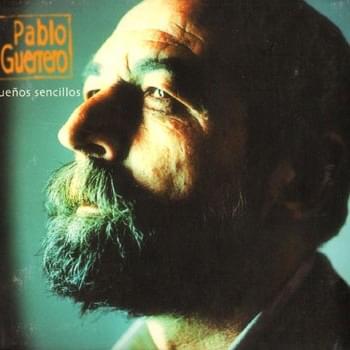
 View Artist