Song Meaning
The narrator wakes up to the realization that they possess a soul, but this discovery is met with immediate confusion and a sense of burden. The dominant emotion isn't wonder, but a bewildered helplessness, as they grapple with this newfound, abstract entity. The core problem is that this soul is flawed – it has a "hole" and is "black" in color, leading to a profound dissatisfaction.
The central tension arises from the narrator's inability to fix or change their soul, despite recognizing its imperfections. The lyrics repeatedly state, "Nobody can advise me / How a soul can be fixed" and "How a soul can be changed." This lack of guidance or solution fuels the growing despair, making the soul seem like an unmanageable defect rather than a spiritual asset.
The most striking aspect of the writing is the narrator's radical decision to "bury" their soul in the "dirt." This literal act of interment for an intangible concept is a powerful, almost absurd, metaphor for rejecting a part of oneself that feels broken or undesirable. The repeated phrase "I'd rather be without it" underscores this desperate desire for escape from the perceived burden of their own soul.
This lyrical approach is effective because it externalizes an internal struggle with stark, almost childlike, simplicity. By treating the soul as a physical object with tangible flaws like holes and color, the narrator creates a relatable, albeit dark, narrative of self-rejection. The final, insistent repetition of "I'll bury it" leaves the listener with a haunting image of someone choosing oblivion over facing their perceived inner damage.
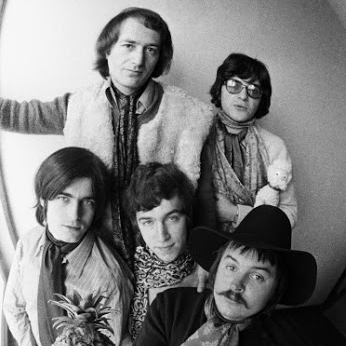
 View Artist