Song Meaning
The lyrics paint a disorienting picture of a city at night, where the familiar landscape seems to warp and recede. The narrator feels a sense of being lost, with their own home appearing to flee around a corner and the street itself tilting unnaturally. This immediate sense of unease is amplified by a feeling of being pursued, not by a person, but by abstract concepts like sleep and laughter, both described as shadows that follow closely.
The central tension arises from the narrator's apparent helplessness and indecision. They repeat "I really don't know, I don't know what to do with this," highlighting a profound lack of agency. This feeling is juxtaposed with a desire to confront the "evil dawn," suggesting a struggle against an impending reality or a return to consciousness that the narrator dreads. The repetition of "laughter" instead of "sleep" in the second verse, while maintaining the same shadow-like imagery, subtly shifts the feeling from existential dread to a more active, perhaps mocking, internal state.
The most striking element is the cyclical, almost resigned declaration: "I'll party again tomorrow." This refrain, especially with its insistent, fragmented "I will, I will, I will..." at the end, acts as a desperate coping mechanism. It’s a promise of temporary escape from the disquieting present, a self-prescribed antidote to the unsettling environment and the shadows that trail them. The contrast between the chaotic, unsettling imagery of the city and the simple, repetitive promise of future revelry creates a powerful sense of melancholic defiance.
This lyrical construction is effective because it captures a specific kind of weary resignation. The abstract nature of the pursuers—sleep and laughter—makes the narrator's internal struggle palpable without needing explicit detail. The stark contrast between the unsettling external world and the internal, repetitive promise of escape resonates as a relatable, albeit bleak, response to overwhelming feelings.
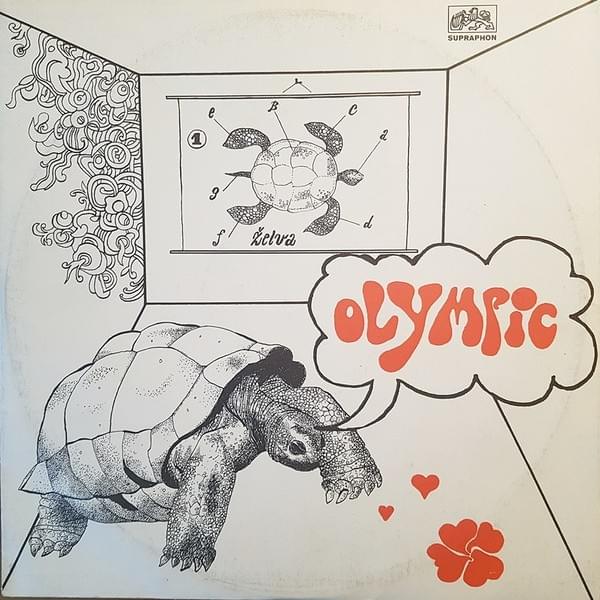
 View Artist