Song Meaning
The lyrics paint a picture of a gifted, restless young musician, a prodigy who commanded attention with his piano solos. He was a charmer, keeping girls awake with his talent, filling halls, yet the narrator suggests he was searching for something more profound within himself. This outward success masked an internal struggle, a feeling that "something in his head was getting ruined," a phrase that hints at a growing darkness beneath a composed exterior.
The central tension arises from the contrast between the artist's vibrant public persona and his apparent inner turmoil, culminating in a tragic, premature end. The line "Koho bůh mívá rád, ten mladej umírá" (Whom God loves, dies young) frames his demise as a cruel twist of fate, a common trope for brilliant, short-lived artists. The narrator grapples with this loss, describing the void left behind as a "prázdný místo" (empty place), a stark absence felt in everyday life.
The writing effectively uses imagery of performance and escape to convey the artist's spirit and his ultimate fate. His fingers "splashed" onto the keys, a dynamic image suggesting raw, uninhibited energy, akin to rock 'n' roll. This passion is presented as a form of faith, something that "you don't die with," implying that his music was his lifeblood. Yet, the final lines, where he "looks through glasses from paradise," suggest a lingering presence, a posthumous observation of those who continue to play his music.
This piece resonates because it captures the bittersweet elegy for a lost talent, balancing admiration for his skill with the sorrow of his early death. The narrator's search for the departed artist in "another bar" and the inability to "drink with him" underscores the finality of loss. The music becomes a way to keep his memory alive, a posthumous performance where the artist "looks from paradise," offering a poignant, albeit distant, connection.
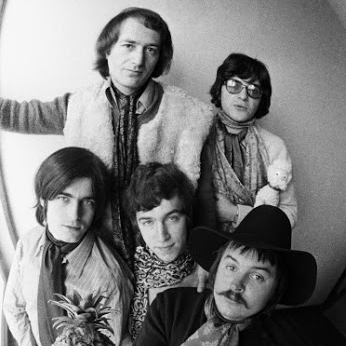
 View Artist