Song Meaning
The lyrics paint a picture of longing and a persistent, almost obsessive, focus on a past love. The repeated questions – "Who kisses you, if not me?" "Who watches you, if not me?" – establish a tone of possessiveness and a deep-seated insecurity about the beloved's current life. This questioning isn't seeking information; it's a desperate assertion of the narrator's continued presence and importance, even in absence. The recurring image of the "ground floor window is closed even today" acts as a powerful, melancholic metaphor for a barrier, a missed connection, or a love that remains inaccessible and unchangingly shut off.
The central tension arises from the narrator's inability to move on, evidenced by the vivid flashback triggered by the window's reflection. Seeing their 15-year-old self, full of youthful declarations like "You, I, we are, we, and our world is ours," highlights the stark contrast between that vibrant past and the present isolation. This isn't just nostalgia; it's a painful confrontation with lost intimacy and a world that has since shifted, as indicated by the final, poignant alteration to "our world *was* ours."
The most striking aspect of the craft is the relentless repetition of the interrogative structure, hammering home the narrator's exclusion. This is juxtaposed with the dreamlike, almost hallucinatory vision of the past self, creating a disorienting effect. The shift from "our world *is* ours" to "our world *was* ours" is a subtle but devastating blow, confirming that the present reality has irrevocably altered the past's perceived permanence. The inclusion of "Who betrays you, if not me?" adds a layer of self-recrimination or perhaps a projection of the narrator's own perceived failings onto the situation.
These lyrics resonate because they capture the raw, often irrational, ache of unrequited or lost love. The specific, grounded imagery of the closed window and the sharp recall of youthful idealism make the narrator's pain feel intensely personal. The writing doesn't shy away from the less flattering aspects of longing – the possessiveness, the dwelling on what's lost – making the emotional impact feel authentic and deeply felt.
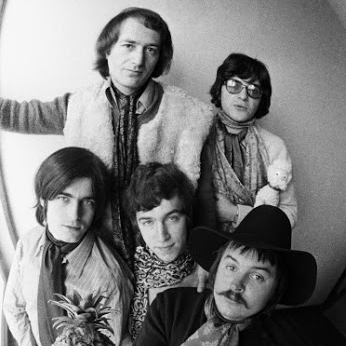
 View Artist