Song Meaning
The lyrics confront societal judgment head-on, posing a defiant question: "Why shouldn't we sing?" The repeated assertion, "We are a courtesan," isn't an apology but a bold declaration of identity in a world that has already condemned them. This framing immediately establishes a tension between external perception and self-acceptance. The opening lines, describing hair flowing for the world and fields returning home by evening, suggest a cyclical existence, perhaps one of performance and eventual solitude.
The central conflict arises from the perceived lack of "honor" or "dignity" in their world, as stated in Verse 1. The narrator questions their place when "honor" itself seems to have no value or when "honorable people" have no room for them. This creates a powerful irony: if the societal standards of honor are absent or corrupt, then the judgment cast upon them is rendered meaningless. The repeated address, "Mere Huzoor" (My presence/My lord), adds a layer of complex deference, perhaps directed at the audience, society, or even a higher power, acknowledging their gaze while simultaneously challenging it.
The most striking craft element is the persistent repetition of "Kyun na gaayein" (Why shouldn't we sing) and "Hum ek tavayaf hain" (We are a courtesan). This isn't just emphasis; it's a refusal to be silenced or hidden. The shift from "Kyun na gaayein" (Why shouldn't we sing) to "Kyun chhupayein" (Why should we hide) and finally to "Maan jaayein" (Let us accept) in the refrains shows a progression from defiance to a resigned, yet still powerful, acceptance of their label. The accusation of "shamelessness" and "deceit on the face" in Verse 2 is met not with denial, but with an embrace of the performance, suggesting that if deception is the currency of this world, they will play the game on their own terms.
These lyrics resonate because they transform a label of shame into a source of power. The narrator doesn't beg for acceptance but demands recognition of their reality, however harsh. By owning the identity of "courtesan" and questioning the very foundations of the honor they are denied, the song creates a potent statement about societal hypocrisy and the resilience of the human spirit. The act of singing, in this context, becomes an act of defiance and self-preservation against a world that seeks to marginalize them.
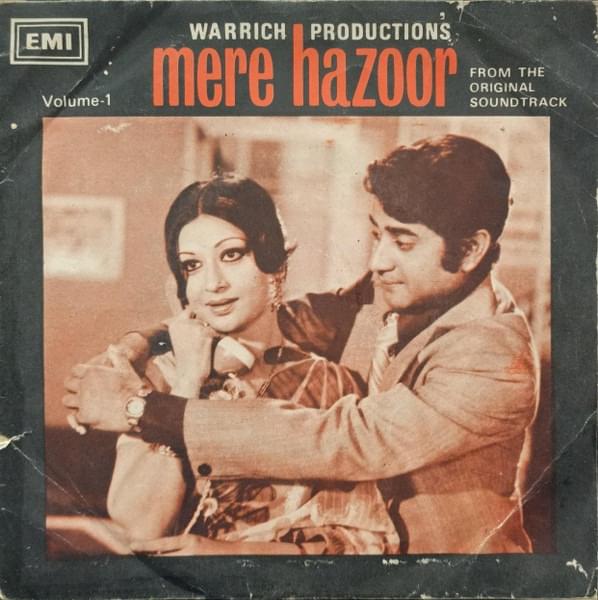
 View Artist