Song Meaning
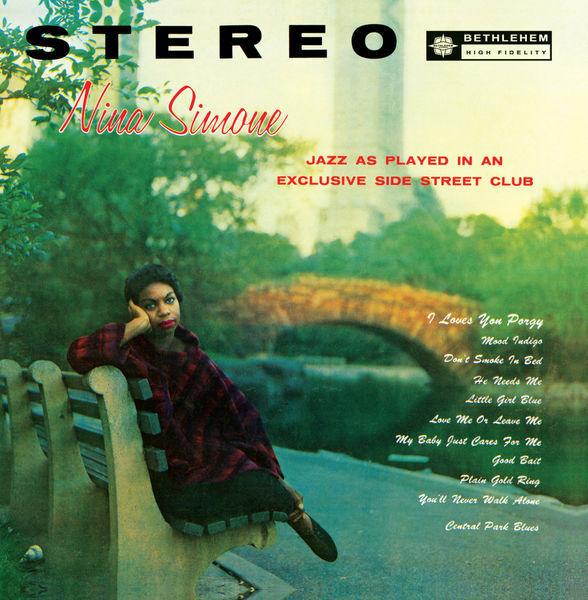
Nina Simone's rendition of "Little Girl Blue" is a masterclass in understated heartbreak. The song, a lament for lost love and fading hope, doesn't explode with operatic drama. Instead, it simmers with a quiet, almost resigned sorrow, making its emotional impact all the more profound. The central image – the 'little girl blue' passively counting raindrops and fingers – speaks to a crushing sense of helplessness. She's been reduced to a state of inert observation, a spectator in her own life, unable to affect the course of her despair. The repetition of 'count your fingers,' and 'count the raindrops' emphasizes the monotony and emptiness that now define her existence. It's a portrait of someone paralyzed by grief, clinging to meaningless tasks as a way to mark time in the absence of joy.
The color blue, traditionally associated with sadness, is weaponized here. It's not just a feeling; it's an identity, a label permanently affixed to this 'little girl.' The plea for a 'tender blue boy' introduces a glimmer of hope, a yearning for connection and solace. But even this desire is tinged with melancholy. The 'blue boy' isn't a passionate lover, but a source of comfort, someone to 'cheer up' the perpetually sad girl. This speaks to a deeper insecurity, a belief that she is fundamentally flawed and in need of constant external validation to escape her despair.
The line, 'No use old girl, You might as well surrender,' is particularly brutal in its honesty. It acknowledges the futility of holding onto fading dreams, the slow, agonizing realization that some wounds may never fully heal. There's a weariness in the phrase 'old girl,' suggesting that this isn't the first heartbreak, but perhaps the one that finally broke her spirit. Nina Simone doesn't just sing about sadness; she embodies it. Her interpretation transforms "Little Girl Blue" into an anthem for the quietly heartbroken, those who find themselves counting raindrops in the face of overwhelming despair.
 View Artist