Song Meaning
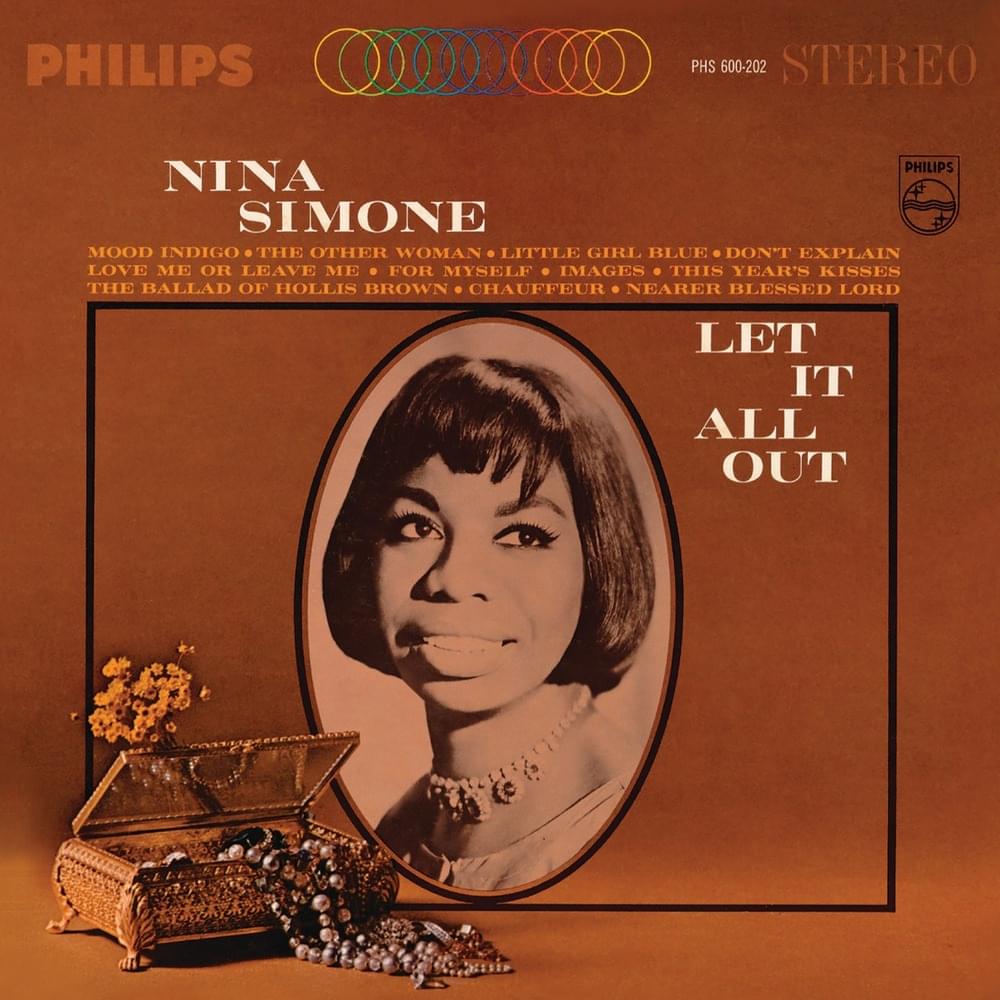
Nina Simone's "For Myself" isn't just a song; it's a quiet manifesto of self-reliance, a delicate assertion of autonomy in a world constantly trying to tell you who to be. Stripped down to its core, the song meaning revolves around the deeply personal act of learning and experiencing life on one's own terms. It’s a theme Simone often visited, the struggle for individual liberation echoing her broader fight for civil rights and personal freedom. The lyrics, though simple, cut straight to the heart of existential independence. There is a refusal to accept secondhand truths, a rejection of pre-packaged destinies. Simone sings, "I must learn for myself / Not from what someone else / Has said or done," laying bare the core of her philosophy. It speaks to a universal desire to forge one's own path, unburdened by the expectations and experiences of others.
The song's power lies in its vulnerability. Simone isn't preaching from a mountaintop; she's "feeling [her] way / Just like a child." This childlike exploration is key. It acknowledges the inherent uncertainty of life, the constant need to adapt and learn. There's a quiet strength in admitting that you don't have all the answers, that the journey of self-discovery is ongoing. The line "try to smile" hints at the struggle, the internal battle to maintain optimism amidst the unknown. It’s not a blind, naive optimism, but a conscious choice to find joy even while navigating the complexities of life.
Ultimately, "For Myself" is a song about owning your narrative. It’s a recognition that the future is not predetermined, that "whatever destiny holds for me / Let me see / For myself." This isn't just passive acceptance; it's an active claiming of agency. Simone isn't waiting for fate to unfold; she's demanding the right to witness and interpret it herself. In a world saturated with opinions and expectations, "For Myself" remains a potent reminder to trust your own instincts, to learn from your own experiences, and to define your own destiny.
 View Artist