Song Meaning
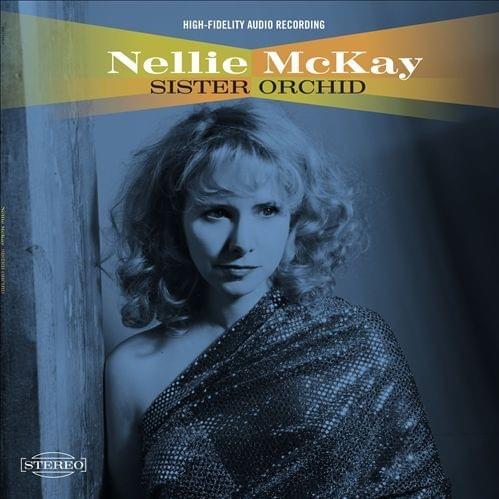
{"song_id": 13589483, "meaning": "Nellie McKay's \"Small Day Tomorrow\" is a sly, jazzy anthem of defiant leisure, a knowing wink to anyone who's ever opted out of the daily grind. The song's meaning revolves around the conscious rejection of ambition and the embrace of fleeting pleasures. It's a celebration of the 'small day' – a day free from responsibility, consequence, or the pressure to perform. McKay's narrator isn't lazy, exactly; she's making a deliberate choice to prioritize joy and experience over productivity and societal expectations. The repetition of \"Small day tomorrow\" acts as a mantra, a justification for indulging in the present moment without guilt. It's a temporary reprieve, perhaps, but a vital one.
The lyrics cleverly contrast the narrator's carefree attitude with the relentless drive of \"all those big wheels / With all their big deals.\" These figures of industry and ambition are bound by their responsibilities, forced to prioritize sleep and preparation for the next day's challenges. McKay, however, positions herself as a \"dropout\" and a \"cop out,\" someone who actively resists the pressure to conform. This resistance isn't presented as a grand act of rebellion, but rather as a personal act of self-preservation. The song's inherent message becomes clear: refusing to participate in the rat race doesn't necessarily equate to failure; it can be a pathway to a richer, more fulfilling existence, even if only for a single, glorious night.
The invitation to \"swing way out of sight\" and \"swing 'til broad daylight\" speaks to the intoxicating allure of freedom and escape. The borrowed car and borrowed flat symbolize the temporary nature of this rebellion. It's not a permanent lifestyle change, but a conscious decision to step outside the boundaries of everyday life. \"Small Day Tomorrow\" is a reminder that sometimes, the most radical act is simply choosing to enjoy the present, to prioritize personal well-being over societal demands. Nellie McKay's song meaning is one of temporary freedom, a justified escape, and a celebration of a life lived, for at least one night, on one's own terms."}
 View Artist