Song Meaning
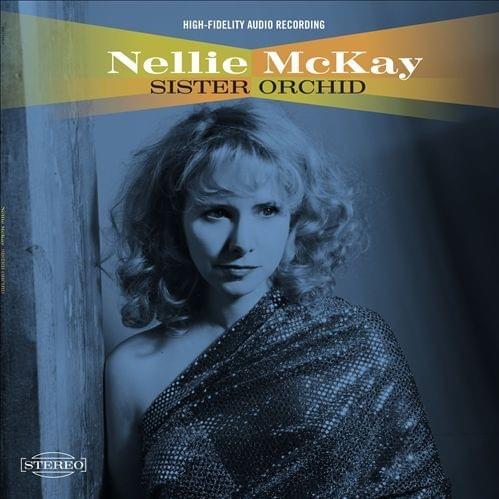
Nellie McKay's rendition of "Angel Eyes" isn't just a cover; it's a masterclass in melancholic subversion. The song, draped in the smoky haze of a late-night lounge, initially presents itself as a standard torch song – a lament for lost love. However, McKay's interpretation, steeped in her signature blend of sardonic wit and theatrical flair, elevates the "Angel Eyes" song meaning to something far more complex. The opening lines, a confession of love's persistent presence despite attempts to ignore it, immediately establish a mood of resigned despair. But it's a despair tempered by a knowing cynicism, a sense that the narrator is both victim and complicit in her own heartbreak. The "angel eyes" themselves are revealed to be a devilish deception, a source of unbearable brightness that leads only to "mispent" love.
The song's middle section takes a turn towards performative generosity. The narrator, drowning her sorrows, impulsively offers to foot the bill for everyone in the bar. This isn't simple altruism; it's a desperate attempt to mask her pain, to buy a moment of fleeting connection in a sea of loneliness. The forced joviality, the insistence that everyone "have fun," rings hollow against the backdrop of her inner turmoil. It's a classic defense mechanism: projecting an image of carefree abandon to deflect attention from the gaping wound within. This fleeting moment of generosity is a shield and a distraction.
Ultimately, "Angel Eyes" becomes a study in self-deception and the elusive nature of desire. The final verse underscores the narrator's restless search for a replacement, the desperate need to find "who's now number one." This isn't about genuine connection; it's about filling a void, about proving that she is still desirable, still capable of attracting those alluring, deceptive "angel eyes." The closing lines, a curt "Excuse me while I disappear," speak volumes. She doesn't fade gracefully; she vanishes abruptly, leaving behind only the lingering scent of regret and the faint echo of a love that was never truly hers. Nellie McKay doesn't just sing "Angel Eyes"; she embodies the song's inherent paradox: the alluring beauty that masks a profound and ultimately destructive emptiness.
 View Artist