Song Meaning
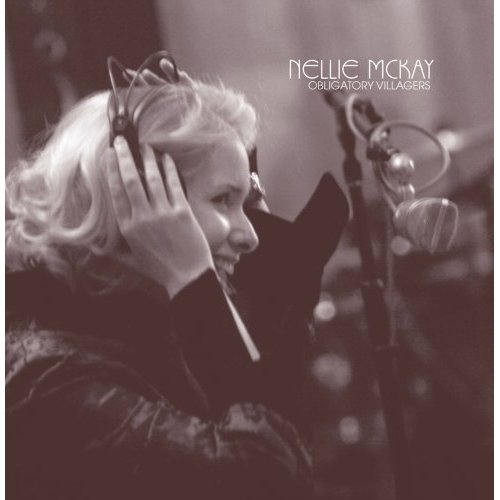
Nellie McKay's "Oversure" operates in a whimsical yet unsettling space, a signature move for an artist who can swing from jazz-age nostalgia to pointed social commentary in a heartbeat. The song's opening fixation on "Maxine Schreck"—a reference to the actor Max Schreck, famous for his terrifying portrayal of Nosferatu—immediately sets a tone of slightly off-kilter admiration, almost daring the listener to aspire to a certain unsettling authenticity. It's not about wanting to be famous, but rather about embodying a memorable, perhaps even monstrous, presence. This is a question of identity: Who do *you* want to be, and are you courageous enough to embrace the darker, less palatable aspects of yourself to get there? The lyrics then pivot into a series of probing questions, challenging the listener's sense of self-possession. "Have you got some time, have you got some spine?" McKay asks, cutting through the pretense and demanding a reckoning with one's own resources—both internal and external. Are you equipped to navigate the complexities of life, or are you merely "fender bend[ing] on," reacting to collisions rather than charting your own course? The threat of being buried "below the earth with nothing" underscores the urgency of this self-assessment.
The middle section of "Oversure" takes a turn toward hopeful surrealism. Images of "moonlight and roses" and "starlight and fairytales" are quickly revealed as illusions, things "that won't come true," yet this disillusionment paradoxically leads to "good news for those who pine away." The "day comes shinin' through" not as a reward for naive optimism, but as a consequence of accepting the world's inherent disappointments. This acceptance, McKay suggests, is the key to unlocking a more authentic and fulfilling existence. The subsequent lines about "kittens high-hattin', sittin' on satin" are a burst of pure, unadulterated joy, a vision of a world where even the most absurd dreams can come true, provided one "seize[s] the day." This sense of joyful acceptance and self-possession allows one to move "beyond-er", exceeding limitations.
The final verse plunges back into a more melancholic introspection. The speaker confesses, "I didn't know the world was like this," suggesting a rude awakening to life's harsh realities. This naivete is juxtaposed with a sardonic humor: "If I'da known, then I'd be psychic." The concluding image of the "Oklahoma toad's beckoning to me" is particularly evocative. Toads often symbolize transformation and the subconscious, suggesting a pull towards a different, perhaps less conscious, state of being. This beckoning could represent a surrender to the unknown, an acceptance of the path laid out by fate or instinct, rather than one dictated by conscious choice. Ultimately, "Oversure," is less about easy answers and more about embracing the messy, contradictory nature of existence. It's a challenge to confront our own limitations, to find joy in the absurd, and to accept the uncertain path that lies ahead.
 View Artist