Song Meaning
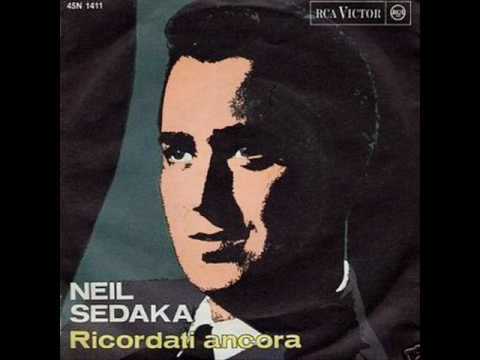
Neil Sedaka's "Ricordati Ancora" isn't just a song; it's a raw nerve exposed, a study in the psychology of enduring loss. Sung in Italian, the title translates to "Remember Again," and that simple plea forms the song's emotional core. It's an exploration of how memories, once a source of joy, can become instruments of torture when love is gone. The lyrics paint a portrait of someone trapped in the amber of the past, unable to move forward because the present is defined by absence. The repeated request to "remember the happy times we spent" isn't a nostalgic reverie; it's a desperate attempt to bridge the chasm between then and now, a futile effort to resurrect what's been irrevocably lost. But this cuts both ways: it also suggests the singer is trapped, reliving the past instead of moving on.
The song's verses delve into the speaker's internal struggle. The lyrics touch on the conventional wisdom that time heals all wounds, but this platitude rings hollow. "If time erases love, time should heal me too," the singer laments, only to acknowledge that it hasn't, and perhaps never will. This is not merely sadness; it's a profound sense of being stuck, a psychological stasis fueled by the memories that should provide comfort but instead amplify the pain. The contrast between the anticipated "sunny day" after the night and the reality of tears underscores the depth of the singer's despair. The envisioned tomorrow, once filled with dreams, is now a stark reminder of what will never be.
Ultimately, the song meaning of "Ricordati Ancora" lies in its unflinching portrayal of grief's persistence. It's about the cruel irony of memory, how the very things that once defined happiness can become the sharpest instruments of sorrow. Sedaka, even singing in a language foreign to many of his listeners, taps into a universal human experience: the struggle to reconcile the idealized past with the desolate present, and the agonizing realization that some wounds may never fully heal. The constant refrain, a soft but forceful demand to remember, turns into a symbol of the inescapable grip the past has on our present, and the psychological weight it carries.
 View Artist