Song Meaning
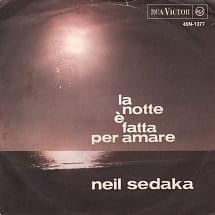
Neil Sedaka's "La Notte E' Fatta Per Amare" isn't just a song; it's a masterclass in melancholic longing. The title, translating to "The Night Is Made For Love," sets up a cruel irony. Sedaka immediately subverts this expectation, painting a picture of isolation and pain for those, like himself, who are alone. The night, typically associated with romance and intimacy, becomes a stark reminder of absence and lost love. The raw vulnerability in the lyrics exposes the chasm between what *should* be and what *is*. It's less a love song and more an anthem for the lovelorn.
The lyrics unveil a central tension: the memory of a past love juxtaposed against the present reality of solitude. The repetition of "La notte è fatta per amare / Me lo dicesti proprio tu" (The night is made for love / You told me so yourself) amplifies the sense of loss. These lines aren't just nostalgic; they're accusatory, directed at the absent lover who once defined his world. Now, the silence where her voice once resided is "un silenzio che fa male" (a silence that hurts). This absence isn't just physical; it's emotional, echoing in the hollowness of his present existence.
The core of "La Notte E' Fatta Per Amare" resides in the shift from past joy to present sorrow. He recalls believing that "la più bella cosa al mondo / Credevo fosse amare solo te" (the most beautiful thing in the world / I believed was only loving you). But that belief is shattered by the reality of her absence. The simple declaration, "Un giorno fui felice / Adesso piango... per te" (One day I was happy / Now I cry... for you), encapsulates the devastating impact of lost love. It's a stark admission of vulnerability, stripping away any pretense and leaving only the raw, aching core of heartbreak. Sedaka masterfully transforms a potentially saccharine sentiment into a poignant exploration of grief and the enduring power of memory.
 View Artist