Song Meaning
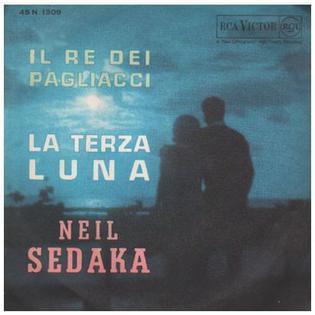
Neil Sedaka's "La Terza Luna" shimmers with the potent, almost desperate hope of rekindled romance. The lyrics, simple yet evocative, hinge on the mystical pull of the 'third full moon,' a celestial sign promising the return of lost love. This isn't just about waiting; it's about actively participating in a ritual of longing, positioning oneself 'sul lungo mare' (on the long sea) as if the ocean itself might deliver the absent lover. The repetition of 'T'amo, t'amo' (I love you, I love you) isn't merely a declaration but an incantation, a sonic spell woven to influence fate. The song meaning resides in the fragile balance between faith and delusion that defines the heartbroken.
Sedaka's choice to sing in Italian adds another layer of emotional depth. The language itself is inherently romantic, lending a melodramatic flair to the narrator's yearning. Phrases like 'credo al destino' (I believe in destiny) suggest a willingness to surrender to forces beyond control, a common psychological response to grief and loss. The narrator's belief in destiny is not just a passive acceptance, but an active hope that can be characterized as 'magical thinking,' where they believe their thoughts and actions can influence external events.
The stakes are clear: 'Stanotte o mai' (tonight or never). This isn't a casual wish for reconciliation; it's a do-or-die plea fueled by the lunar promise. The 'third full moon' becomes a deadline, a cosmic ultimatum. This emphasis on a specific, limited timeframe intensifies the emotional pressure, transforming a simple love song into a suspenseful drama. The repeated line 'Ti rivedrò' (I will see you again) at the end is more than just a statement; it's a self-affirmation, a desperate attempt to manifest a desired reality through sheer force of will. The song captures a universal feeling: the irrational hope that flickers even when logic dictates otherwise.
 View Artist