Song Meaning
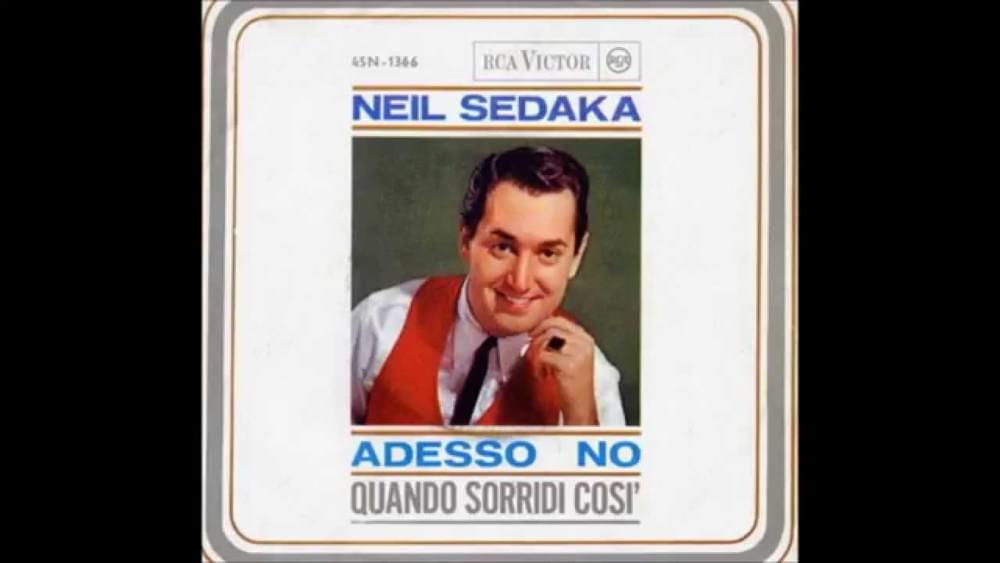
Neil Sedaka's "Adesso No" isn't just a melancholic Italian ballad; it's a study in romantic regret, painted with the subtle strokes of missed timing and the burden of experience. The lyrics, sung with Sedaka's signature emotive delivery, explore the 'what ifs' of a connection that seemingly arrived too late. He confesses that, under different circumstances, love would have blossomed instantly. The repeated phrase "Mi sarei innamorato subito... lo so" (I would have fallen in love immediately... I know) underscores this sense of certainty, a conviction that fate conspired to keep them apart. It's less about the lack of attraction and more about the weight of their respective pasts.
The core of the song meaning resides in the line "Perché sai troppe cose d'amor / E conosci la gioia e il dolor" (Because you know too much about love / And you know the joy and the pain). This reveals the central conflict: the woman is perceived as being too experienced, too aware of love's potential pitfalls. She's no longer an innocent, open to the naive idealism that fuels instant connection. Sedaka laments that this knowledge, this accumulated 'joy and pain,' acts as a barrier, preventing the spontaneous combustion of romance he believes possible under different circumstances. He's not necessarily blaming her, but rather mourning the loss of potential innocence in both of them.
"Adesso No" becomes a poignant reflection on how life shapes our capacity for love. Time itself is portrayed as the antagonist ("Solo il tempo tradito" - Only time betrayed), highlighting the idea that the right people can meet at the wrong juncture in their lives. The repetition of "Adesso no" (Not now) acts as a mournful refrain, a resigned acceptance of this unfortunate reality. While the melody might suggest a simple love song, the lyrics analysis reveals a deeper exploration of love's complexities, the ways in which past experiences can simultaneously enrich and inhibit our ability to connect in the present moment. It's a mature, nuanced take on romance, acknowledging that sometimes, the timing is simply off, leaving only the bittersweet taste of what could have been.
 View Artist