Song Meaning
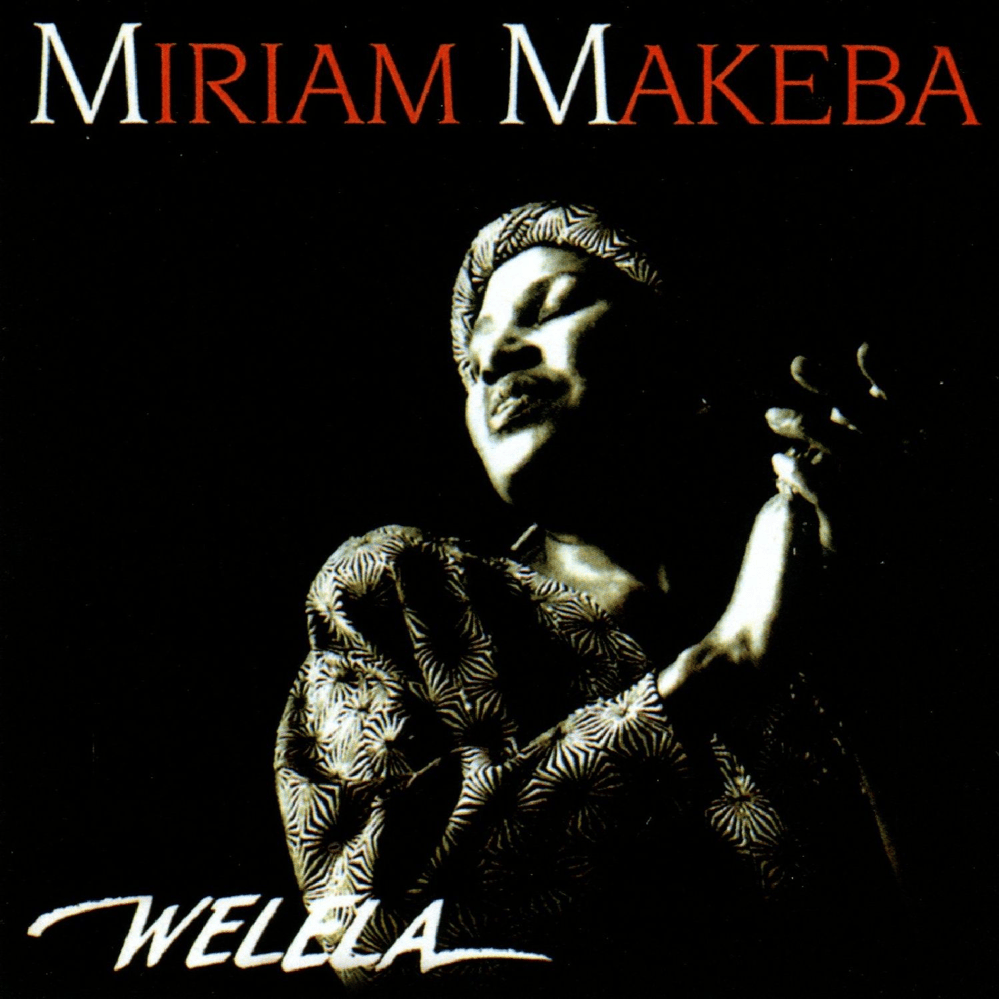
{"song_id": 11107151, "meaning": "Miriam Makeba's \"Amapondo\" is less a narrative and more a sonic embodiment of cultural pride and resilience. The repeated phrases, \"Abelaph'amaMpondo\" and \"Ajiyelele weh babo,\" function as a kind of mantra, a rhythmic assertion of identity. Given Makeba's history as a potent anti-apartheid voice, even seemingly simple lyrics carry a heavy weight of resistance. The cyclical nature of the song mirrors the cyclical nature of struggle and the enduring spirit of a people.
Deciphering the song's meaning requires understanding the socio-political landscape from which it emerged. The Xhosa phrase \"Abelaph'amaMpondo\" directly references the Mpondo people, a group with a rich history and distinct cultural identity within South Africa. The repetition isn't just for musical effect; it's a deliberate act of reclaiming and celebrating a heritage that was actively suppressed during apartheid. The other phrase, \"Ajiyelele weh babo,\" adds another layer, possibly alluding to perseverance or a call to ancestors for strength.
The genius of \"Amapondo\" lies in its ability to transcend literal translation. It operates on a deeper, emotional level, tapping into a collective memory and shared experience. The song's power resides in its sonic texture and rhythmic drive, creating a sense of unity and defiance. While the lyrics themselves might appear simple on the surface, the song meaning gains complexity when viewed through the lens of South African history and Makeba's role as a cultural ambassador and freedom fighter. It's a reminder that music can be a powerful tool for preserving identity and resisting oppression."}
 View Artist