Song Meaning
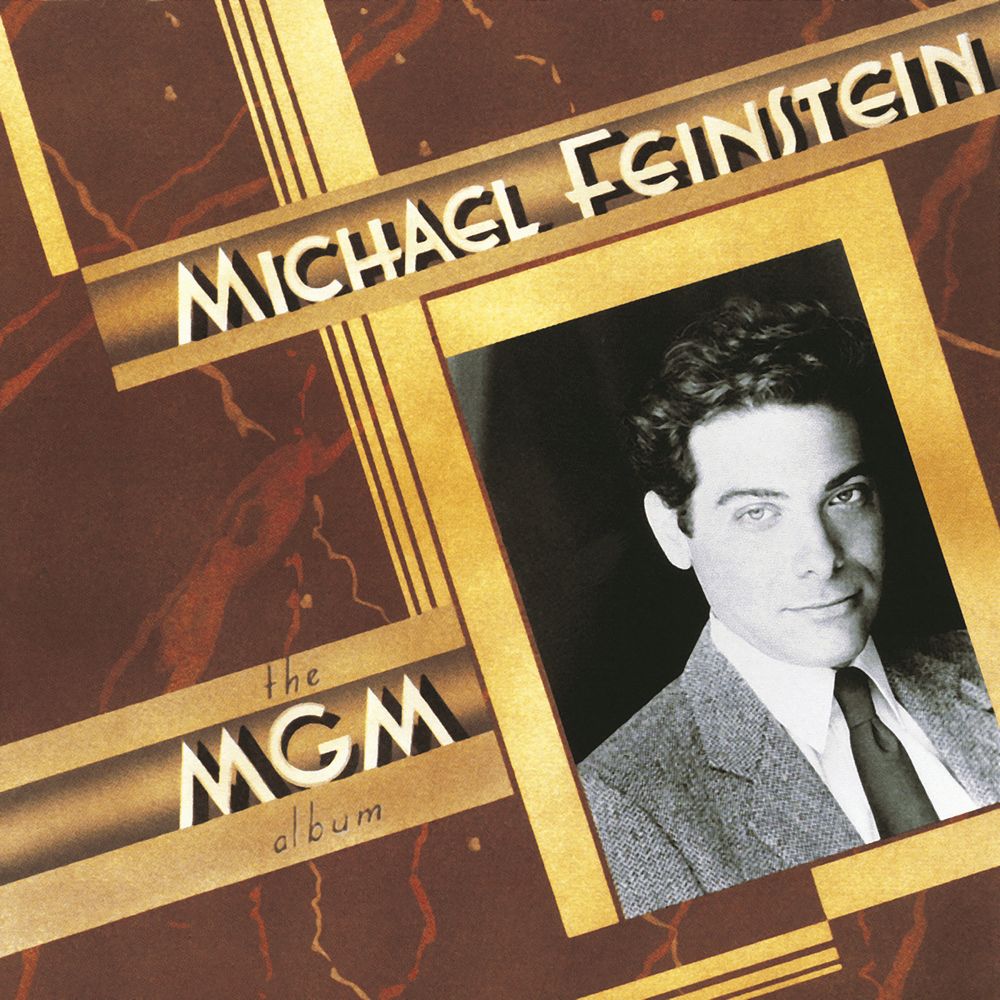
Michael Feinstein's rendition of "That's Entertainment" isn't just a show tune; it's a surprisingly sharp commentary on the human condition as viewed through the lens of performance. The song cleverly collapses the distance between high art and low comedy, suggesting that whether it's Oedipus Rex or a clown's pratfall, we're all drawn to spectacle, to stories of triumph, disaster, and transgression. The lyrics themselves are a rapid-fire montage of theatrical tropes, from romantic dances to villainous schemes, all unified by the insistent refrain: "That's entertainment!" But what exactly *is* entertainment, according to this song? It's not just escapism; it's a reflection, albeit a distorted one, of our own dramas and desires.
The genius of "That's Entertainment" lies in its relentless inclusivity. It doesn't discriminate between highbrow and lowbrow. The "gay divorcee who is after her ex" shares the stage with Oedipus, hinting that the core human drives—love, betrayal, ambition, revenge—are universal, regardless of the context. Even the "clerk who is thrown out of work" finds his place in this grand theatrical tapestry. Feinstein's delivery, while seemingly light and breezy, carries an undercurrent of knowing irony, suggesting that we, the audience, are as much a part of the spectacle as the performers. We crave the drama, the conflict, the catharsis, and in doing so, we perpetuate the cycle.
Ultimately, Feinstein, through this song, suggests that life itself is a performance, a stage upon which we all play our parts. The recurring line "The world is a stage; the stage is a world of entertainment!" is more than just a catchy phrase; it's a profound observation about the blurring lines between reality and representation. We construct narratives, assign roles, and seek out experiences that confirm our worldview, often prioritizing spectacle over substance. "That's Entertainment" isn't just a celebration of the performing arts; it's an invitation to examine our own complicity in the drama, to recognize the ways in which we are both actors and audience members in the ongoing play of life.
 View Artist