Song Meaning
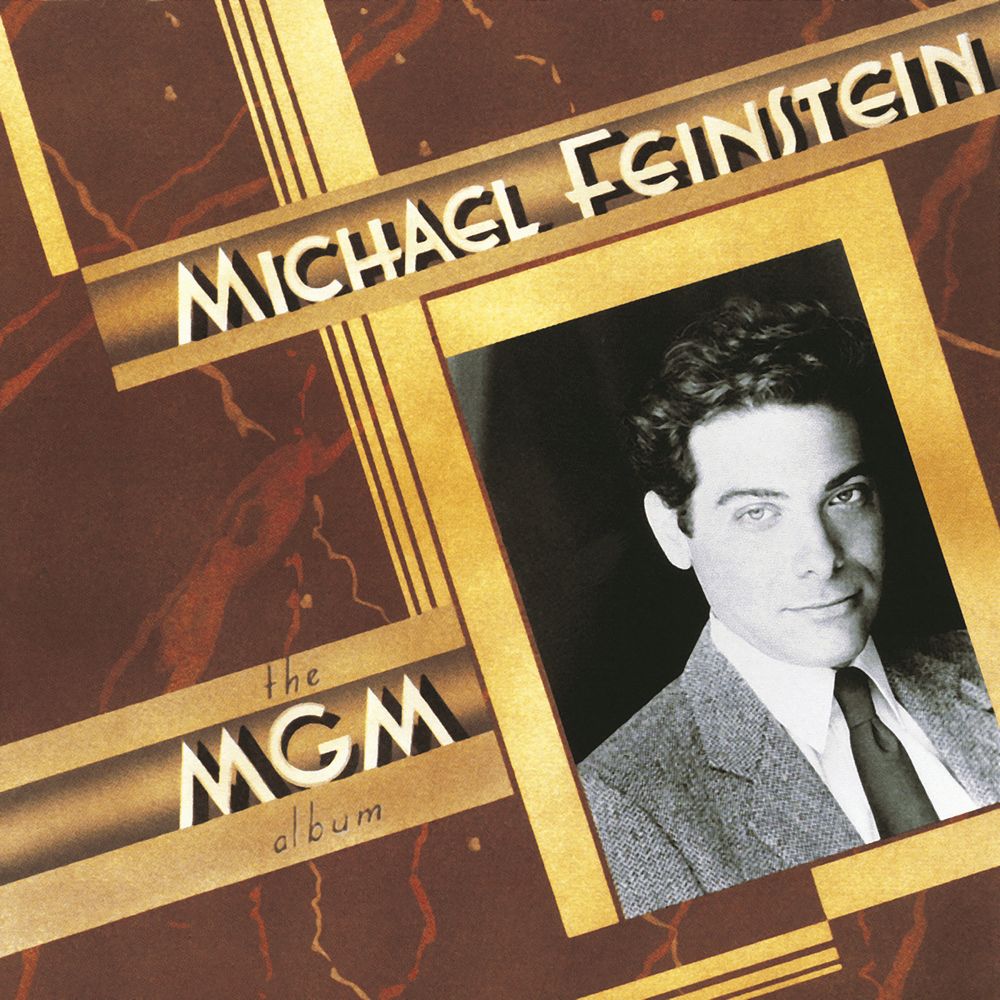
Michael Feinstein's rendition of "Time After Time" isn't just a love song; it's a testament to the enduring power of gratitude within a relationship. The repeated phrase, "So lucky to be loving you," acts as both a mantra and a confession, suggesting a deliberate practice of appreciation. This isn't the giddy, fleeting luck of a new romance, but the earned contentment of a love that has weathered the years. The singer isn't simply *feeling* lucky; he's *telling* himself, actively reinforcing the positive narrative of his partnership. This subtle distinction hints at a deeper psychological understanding: happiness, especially in long-term relationships, often requires conscious cultivation. The lyrics are deceptively simple, yet they speak volumes about the work involved in maintaining a vibrant connection. The acknowledgement that "the passing years will show / You've kept my love so young, so new" is an understanding that this sustained luck isn't passive; it's the direct result of the partner's actions and essence.
The cyclical nature of the lyrics, with the core sentiment repeated "time after time," mirrors the cyclical nature of relationships themselves. There are highs and lows, challenges and triumphs, but the underlying current of gratitude remains constant. Feinstein’s delivery, imbued with a sense of seasoned reflection, amplifies this effect. The song becomes a reminder that expressing gratitude isn't a one-time event, but a continuous process of acknowledgment and reciprocation. It suggests that recognizing and verbalizing appreciation for a partner's contributions is essential for maintaining the "young" and "new" quality of love over time. It's a mature perspective on love, less about passionate fireworks and more about the quiet, steady flame of appreciation.
Ultimately, Michael Feinstein's interpretation of “Time After Time” highlights the psychological weight of gratitude in sustaining long-term love. The song meaning resides not just in the words themselves, but in the act of repeating them, of consciously choosing to focus on the positive aspects of the relationship. It's a subtle but powerful articulation of the idea that love, like any living thing, requires constant nurturing and appreciation to thrive. The lyrics analysis reveals a mature understanding of love as an active, ongoing process, not a passive state of being. This isn't just about being lucky; it's about recognizing, celebrating, and actively contributing to the luck one already possesses.
 View Artist