Song Meaning
Michael Feinstein's rendition of "It's a Most Unusual Day" isn't just a sunny stroll down memory lane; it's a carefully constructed ode to the disorienting, almost unsettling feeling of unexpected joy. The song meaning orbits around that delicious paradox: the suspicion that something *this* good can't possibly last. The lyrics, seemingly simple on the surface, paint a picture of a world momentarily freed from its usual anxieties. It's a break from the mundane, a brief but potent shift in perspective. The singer isn't just describing a nice day; he's grappling with the emotional impact of it. The repeated refrain underscores the rarity of the experience, almost as if he needs to convince himself it's real. The "temperature climb" isn't just physical; it's the flush of vulnerability that comes with allowing oneself to be truly happy.
That "feeling of Spring in the air" is, of course, more than just a seasonal reference. Spring symbolizes renewal, hope, and the promise of something new. But it also carries a certain fragility. The singer's "heart won't behave in the usual way" because the usual way is guarded, cautious, and prepared for disappointment. This unusual day throws all that into disarray, forcing a confrontation with the possibility of genuine, unadulterated happiness. The song's brilliance lies in its acknowledgment of the bittersweet nature of such moments. There's a sense of disbelief, a subtle undercurrent of anxiety that tempers the joy. The "people meeting people" and "sunshine everywhere" create a utopian tableau, but it's a utopia tinged with the awareness that it's fleeting.
Ultimately, Michael Feinstein uses this classic song to explore the human condition, particularly the struggle to accept and embrace moments of pure joy without the looming shadow of fear or cynicism. It's a musical reminder that these "unusual days," however rare, are worth savoring, even if they are destined to fade. And perhaps, just perhaps, by acknowledging their existence, we can create more of them.
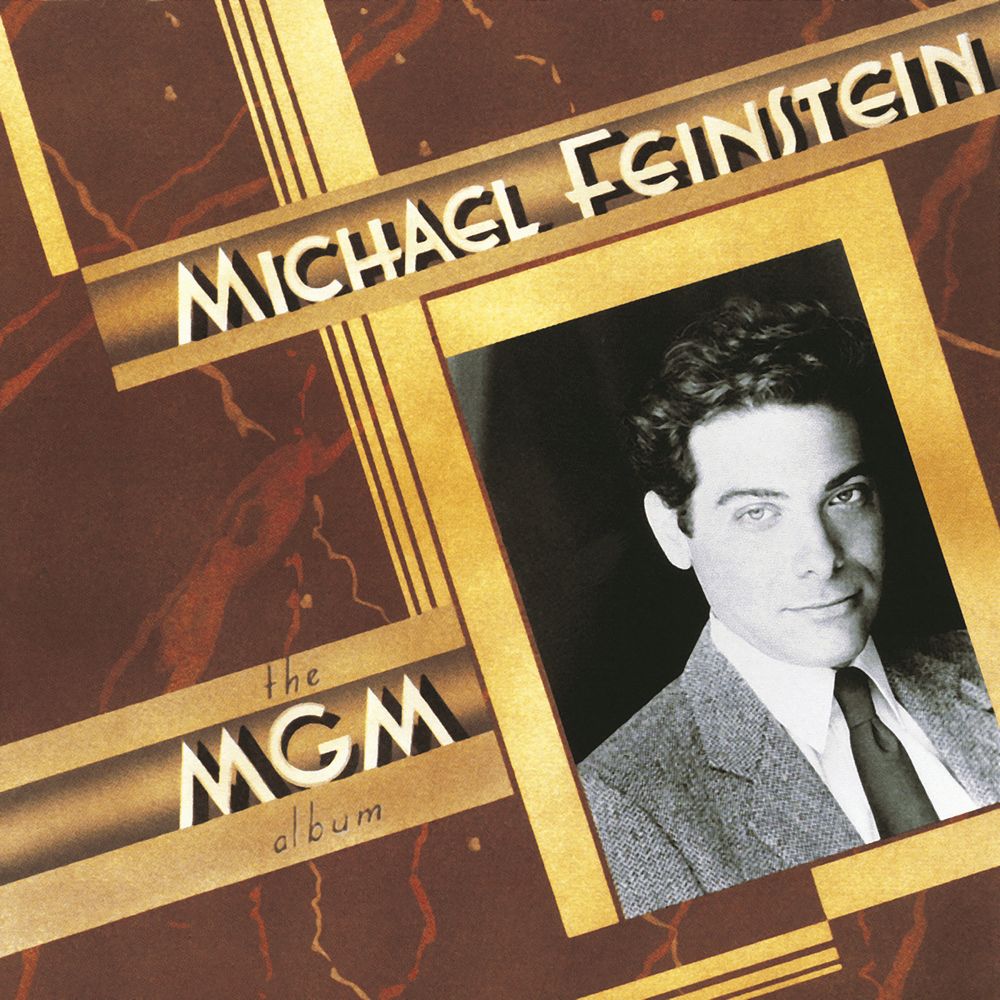
 View Artist