Song Meaning
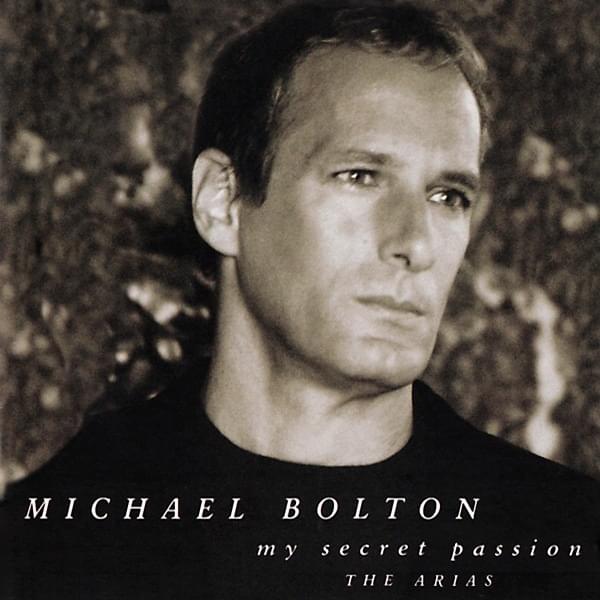
Michael Bolton tackling 'Nessun Dorma!' isn't just a crossover stunt; it's a high-wire act of ego and vulnerability. The aria, forever linked to Pavarotti's titanic performances, carries the weight of operatic history, and Bolton steps into that arena with a boldness that demands scrutiny. On the surface, the 'song meaning' seems straightforward: a declaration of assured victory fueled by love's hidden power. The lyrics paint a scene of nocturnal anticipation, a princess gazing at trembling stars while the protagonist guards a secret, promising revelation with a kiss that breaks the silence. It's a classic romantic narrative, but within the context of Bolton's career, it becomes something more complex.
Bolton's interpretation isn't just about hitting the notes; it's about inhabiting the emotional landscape of the piece. The plea 'Dilegua, o notte! Tramontate, stelle!' isn't just a call for the night to end; it's a yearning for resolution, a desperate desire for the dawn that will bring triumph. Consider the psychological weight of singing these lyrics as an artist known for a very different style of music. Bolton, perhaps, identifies with the 'mistero' held within, the artistic persona he's carefully cultivated, and the promise of revealing a new facet of himself through this performance.
The real tension, however, lies in the final, repeated 'Vincero!' (I will win!). It’s not merely a triumphant cry, but a statement laden with personal stakes. Is it a declaration of love, artistic validation, or a challenge to his critics? Perhaps all three. 'Nessun Dorma!' becomes a vessel for Bolton to assert his place, to conquer not just the aria itself but also the expectations and limitations imposed upon him. The 'lyrics analysis' reveals a subtext of ambition and a yearning for artistic immortality, transforming a classic love song into a personal manifesto.
 View Artist