Song Meaning
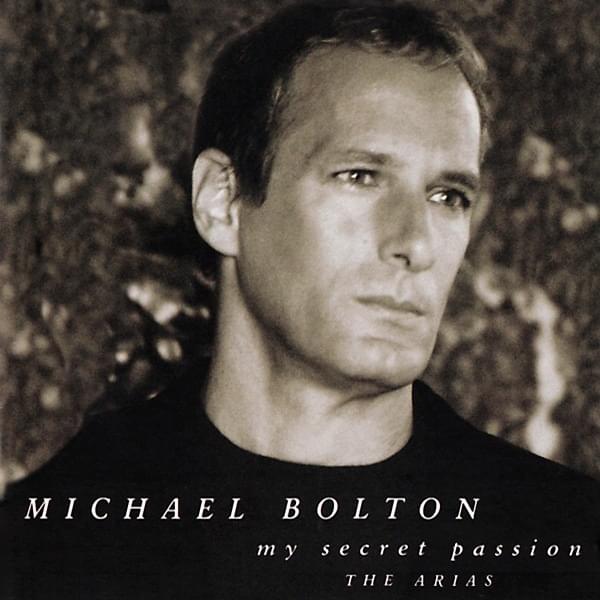
{"song_id": 12723289, "meaning": "Michael Bolton tackling 'Vesti la giubba' is a study in operatic heartbreak amplified by pop sensibilities. This isn't just a song; it's an aria of profound emotional conflict, a raw exposure of the performer's soul laid bare under the garish lights of the stage. The core meaning of 'Vesti la giubba' hinges on the agonizing dichotomy between public performance and private torment. The singer, embodying the character of Pagliaccio (the clown), is commanded to 'dress the robe and paint the face,' a stark instruction to mask his inner turmoil with a veneer of joviality. Bolton's interpretation, inevitably, draws on the inherent theatricality.
The power of the lyrics lies in their brutal honesty. 'La gente paga e rider vuole qua' ('The people pay and want to laugh here') encapsulates the cold reality of entertainment. The audience demands amusement, regardless of the artist's personal suffering. This creates a suffocating pressure, forcing the performer to sublimate his pain for the sake of his craft. The lines 'Ridi, Pagliaccio...e ognun applaudira!' ('Laugh, clown...and everyone will applaud!') are dripping with irony and bitterness. The applause becomes a symbol of the performer's isolation, a hollow reward for sacrificing his authenticity.
The true depth of 'Vesti la giubba' rests in its exploration of fractured identity. The singer is no longer simply a performer; he is a prisoner of his role. The command to 'Tramuta in lazzi lo spasmo ed il pianto' ('Turn spasm and crying into jokes') highlights the dehumanizing effect of performance. The final lines, 'Ridi Pagliaccio, sul tuo amore infranto! Ridi del duol che t'avvelena il cor!' ('Laugh, clown, at your broken love! Laugh at the pain that poisons your heart!') are a desperate plea, a final act of defiance disguised as compliance. Bolton's take reminds us that beneath the surface of entertainment often lies a complex and deeply personal struggle."}
 View Artist