Song Meaning
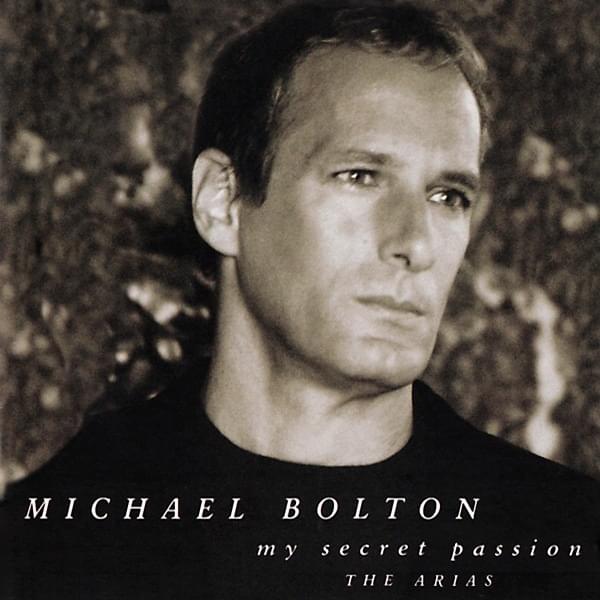
Michael Bolton's rendition of "M'apparì" is a raw, operatic plunge into the depths of romantic obsession and devastating loss. Stripped of modern pop artifice, the song meaning resides in its unflinching portrayal of a man undone by love. The lyrics, sung in Italian, immediately set a tone of classic, almost theatrical heartbreak. He describes the sudden, overwhelming appearance of love, an encounter so profound it instantly captivates his heart and soul. This isn't a gentle infatuation; it's an immediate, visceral claiming. He's wounded ("Mi feri"), bewitched ("m'invaghi"), completely enthralled by her angelic beauty. The intensity suggests a love bordering on the idealized, a projection of desires and yearnings onto the beloved. The initial encounter is not just a meeting of eyes, but a soul-altering event.
Bolton's performance, imbued with his signature power, amplifies the inherent drama of the lyrics. The thought of being with her, of sharing a love that resonates, is the only thing that can soothe the torment within him, "Puo sopir il martir/Che m'affana e stranzia il cor." This is a crucial point: love, in this context, is presented as both the source of immense joy and the only possible balm for agonizing suffering. It hints at a co-dependent dynamic, where the speaker's well-being is entirely contingent on the presence and affection of the other. The lyrics don't shy away from the darker implications of such a dependency.
The final verses deliver the crushing blow: Marta, the object of his devotion, has vanished. The stark declaration, "Marta, Marta tu sparisti/E il mio corcol tuo n'ando!" reveals the totality of his loss. His heart has gone with her, leaving him hollowed out. The peace she brought has been stolen, and he is left to face the prospect of dying from sorrow, "Tu la pace mi rapisti/Di dolor io moriro." This isn't just sadness; it's a complete existential collapse. Through "M'apparì," Bolton channels the raw, operatic tradition of expressing love as a force of both creation and destruction, leaving the listener to contemplate the precarious balance between passion and despair.
 View Artist