Song Meaning
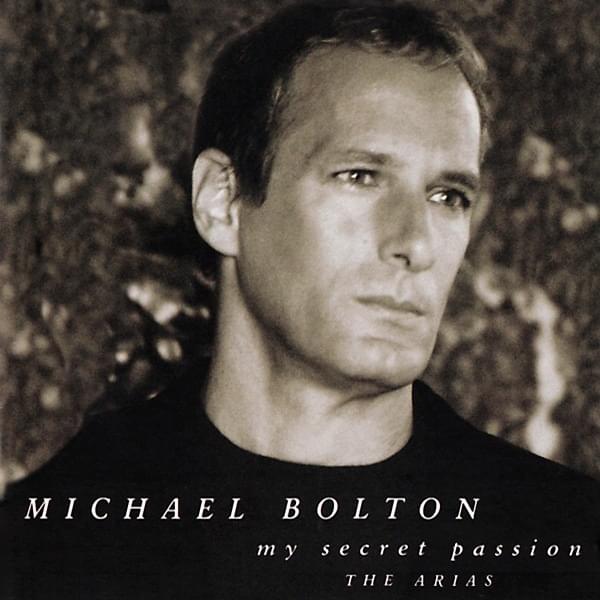
Michael Bolton tackling Puccini’s aria, "Che gelida manina," is a fascinating study in contrasts. The song, lifted from *La Bohème*, finds Rodolfo, a struggling poet, attempting to warm Mimi’s frozen hand on a snowy Christmas Eve. But beyond the literal, the lyrics expose a deeper yearning for connection and a vulnerability that even Bolton's bombastic vocal style can't completely obscure. The aria hinges on the disarming simplicity of human touch as a catalyst for something more profound.
Rodolfo’s self-introduction in the lyrics is both boastful and self-deprecating. He declares himself a poet, living in "lieta povertà" (happy poverty), squandering his wealth on dreams and fantasies. This isn't just about material lack; it's a deliberate choice to prioritize the intangible riches of art and imagination. However, the arrival of Mimi and her "occhi belli" (beautiful eyes) disrupts this carefully constructed world. He playfully accuses her eyes of stealing his jewels and dreams, a metaphor for the way love can both enrich and destabilize one's inner life. The "furto non m'accora" (the theft doesn't grieve me) because hope has now taken root, suggesting that the potential of love outweighs the loss of his solitary fantasies.
The plea, "Parlate voi. Deh parlate. Chi siete? Vi piaccia dir?" (Speak now. Please speak. Who are you? Will you please tell me?) underscores the core theme: the desire for reciprocal vulnerability. Rodolfo has laid bare his soul, revealing his dreams, his poverty, and his hopeful heart. Now, he seeks the same from Mimi. Ultimately, “Che gelida manina” is a masterclass in using the simple act of offering warmth to explore the complexities of human connection, artistic identity, and the transformative power of love. Bolton's rendition, while perhaps diverging from operatic tradition, inadvertently highlights the raw emotional core of Puccini's original intention.
 View Artist