Song Meaning
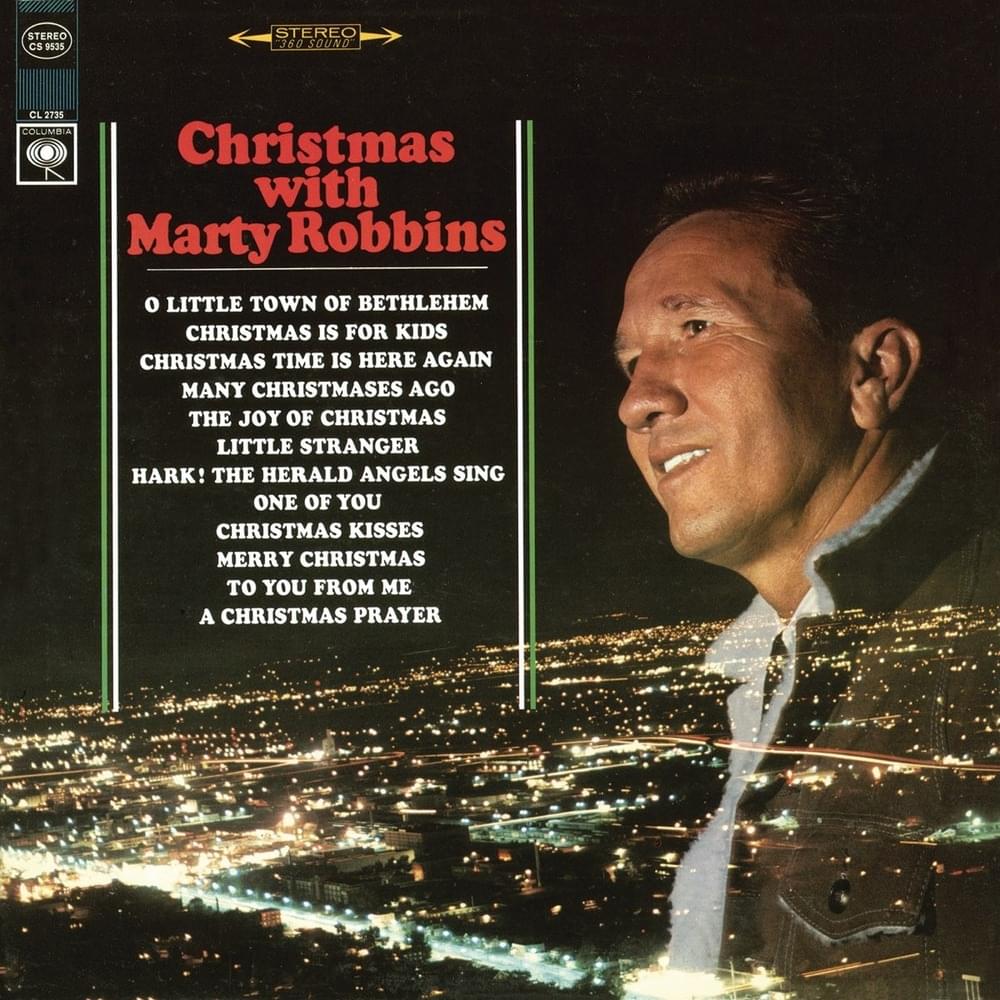
Marty Robbins' "Little Stranger (In a Manger)" bypasses theological complexities, opting instead for a disarmingly tender depiction of the Nativity. The song's power rests in its simplicity, framing the infant Jesus not as a divine figurehead, but as a vulnerable "little stranger." This choice immediately humanizes the scene, inviting listeners into a space of empathy and quiet awe. Robbins doesn't preach; he observes, highlighting the inherent paradox of immense power arriving in the most unassuming form. The repeated invocation of the "little stranger in a manger" functions almost as a meditative mantra, stripping away centuries of dogma to reveal the raw emotional core of the Christmas story. It is a message of hope, that a savior is arriving.
The lyrics subtly underscore the universal human experience of encountering the unfamiliar. The shepherds, "filled with wonder," and the Magi, "searching…to adore," embody the human impulse to seek meaning and connection in the face of the unknown. The star acts as a psychological beacon, guiding them towards an encounter that promises transcendence. The song also underscores the importance of family, with Mary and Joseph watching over Jesus. Robbins is not just recounting a historical event; he's tapping into primal emotions tied to birth, protection, and the yearning for something beyond the mundane.
Ultimately, "Little Stranger (In a Manger)" finds its resonance in its emotional accessibility. It's a lullaby of faith, sung not with booming pronouncements but with a gentle, almost whispered reverence. The "choirs of angels" and the "praise and glory to the highest" serve not as grand pronouncements of power, but as intimate acknowledgments of the profound mystery unfolding in that humble stable. Robbins' song suggests that divinity isn't found in celestial fireworks, but in the quiet recognition of the sacred within the ordinary, the profound within the simple. The song is not just about a birth; it's about the birth of hope within the human heart.
 View Artist