Song Meaning
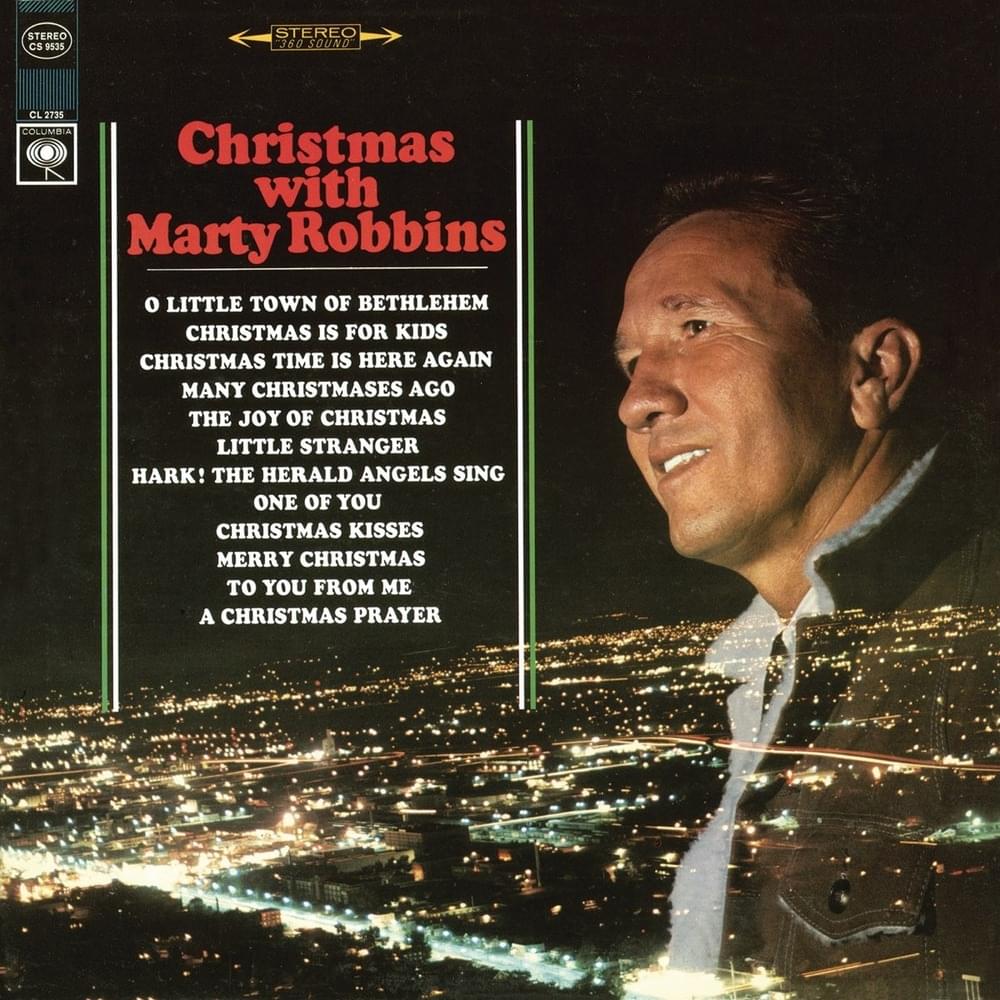
{"song_id": 15470522, "meaning": "Marty Robbins' \"Many Christmases Ago\" isn't just a Christmas carol; it's a carefully constructed vessel of nostalgia and faith, designed to transport the listener back to the origin of the holiday itself. The song’s strength lies in its simplicity. There’s no complex narrative here, no contemporary spin on the Christmas story. Instead, Robbins relies on the core elements of the Nativity – shepherds, angels, the newborn child – to evoke a sense of timeless wonder. The repetition of the phrase \"Many, many Christmases ago\" acts as a hypnotic anchor, pulling us further into a past that feels both distant and eternally present. It’s less a historical account and more an invitation to reconnect with the foundational myth. The song's genius is how it collapses time.
The lyrics gently emphasize the cyclical nature of the Christmas story. The birth of Christ isn't presented as a one-time event but as something that can be perpetually renewed: \"In our hearts the child is born again.\" This speaks to a desire for spiritual renewal, a yearning to recapture the innocence and hope associated with childhood Christmases. Robbins understands that for many, Christmas is as much about personal emotional experience as it is about religious observance. The song taps into that deep well of feeling, suggesting that the \"peace, good will to men\" offered by the newborn child is not just a historical artifact but a living possibility, reborn each year within the individual.
Beyond the explicitly religious themes, \"Many Christmases Ago\" also hints at the psychological comfort found in tradition. The act of singing carols, of repeating familiar stories, provides a sense of stability and connection to something larger than oneself. The repeated call to \"greet the newborn child\" is an invitation to participate in that collective experience, to find solace in the shared rituals of the season. In a world that often feels chaotic and uncertain, Robbins offers a moment of grounding, a reminder of the enduring power of faith and the comforting embrace of tradition. The song's meaning ultimately resides in its ability to evoke this emotional resonance, transforming a simple carol into a potent symbol of hope and renewal."}
 View Artist