Song Meaning
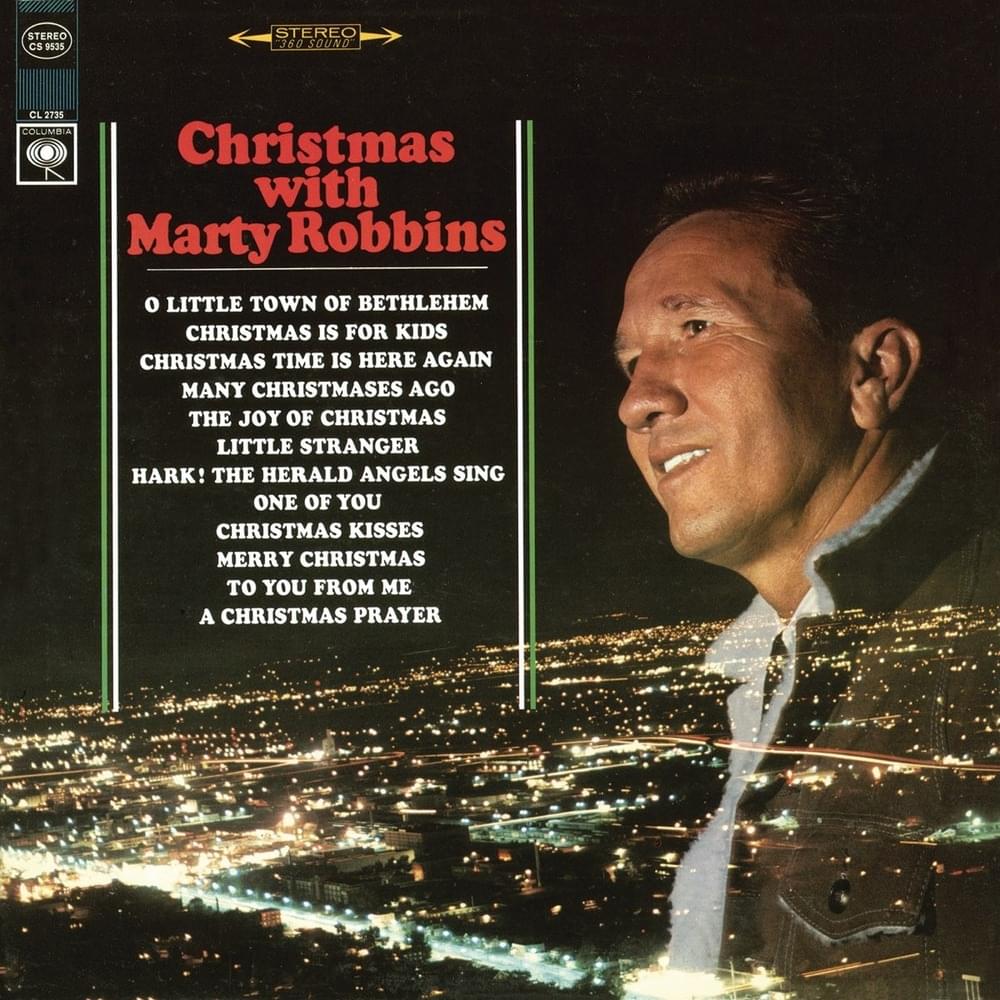
Marty Robbins' "The Joy of Christmas" isn't a complex theological treatise; it's a warm sonic blanket woven from the simplest of holiday pleasures. The crackling fire, the gentle hum of carols – these are the touchstones of a Rockwellian Christmas, instantly recognizable and deeply comforting. Robbins taps into the collective nostalgia for a time when, ostensibly, people are "much friendlier," a yearning for connection amplified by the season's sentimental pull. The song's meaning resides not in groundbreaking revelations, but in the reaffirmation of these shared, idealized moments. It understands the psychology of Christmas: a socially sanctioned permission slip to embrace sentimentality and childlike wonder.
Robbins shrewdly identifies the dual nature of Christmas joy. It's the wide-eyed anticipation of children, "good as gold" in their eager wait for Santa, but also the rekindled dreams of adults. "Grown-ups are all children too," he sings, acknowledging the inherent human desire to believe in something magical, something bigger than the everyday grind. The song doesn't judge this impulse; it celebrates it. It's an invitation to temporarily suspend cynicism and indulge in the collective fantasy.
The brilliance of "The Joy of Christmas" lies in its accessibility. It avoids the pitfalls of overly saccharine sentimentality by grounding itself in tangible sensory details. The "fire is burnin' soft and low," not raging out of control. The carols are "humming," not blaring. This understated approach allows the song to resonate with a broad audience, regardless of their personal beliefs or backgrounds. It's a reminder that even in a world increasingly fractured, the simple pleasures of connection and shared traditions can still bring a sense of peace and, yes, even joy.
 View Artist