Song Meaning
The lyrics open with a powerful declaration: "Vamos renascer das cinzas" (Let's be reborn from the ashes). It's a vivid image of renewal, immediately followed by the communal act of "plantar de novo o arvoredo" (planting the grove anew). This isn't just about survival; it's about active, collective restoration, fueled by "bom calor nas mãos unidas" (good warmth in united hands).
The scene quickly shifts to the vibrant heart of a samba school, detailing the "ala de compositores" (wing of composers) sending samba to the "terreiro" (samba yard). We hear the "cuíca roncando" (cuíca rumbling) and see a "cabrocha sambando" (woman dancing), painting a picture of intense, late-night creative energy. It's a testament to the dedication that fuels this cultural engine, culminating in a "senhor partideiro" (master samba singer) performing "pela madrugada" (at dawn).
This internal passion culminates in the grand spectacle of "sambar na avenida de azul e branco" (sambaing on the avenue in blue and white). The colors are a key detail, signaling a specific school's identity and pride. The lyrics frame this performance as "o nosso papel" (our role), a public declaration "mostrando pro povo" (showing the people) that "o berço do samba é em Vila Isabel" (the cradle of samba is in Vila Isabel).
Ultimately, the lyrics are a heartfelt ode to community and tradition. The simple, joyful exclamation "Tão bonita a nossa escola!" (Our school is so beautiful!) followed by the pure vocalization "La, la, iá, iá" captures an unadulterated sense of belonging and happiness. It's a powerful reminder that even after hardship, collective spirit and artistic expression can lead to profound, shared joy.
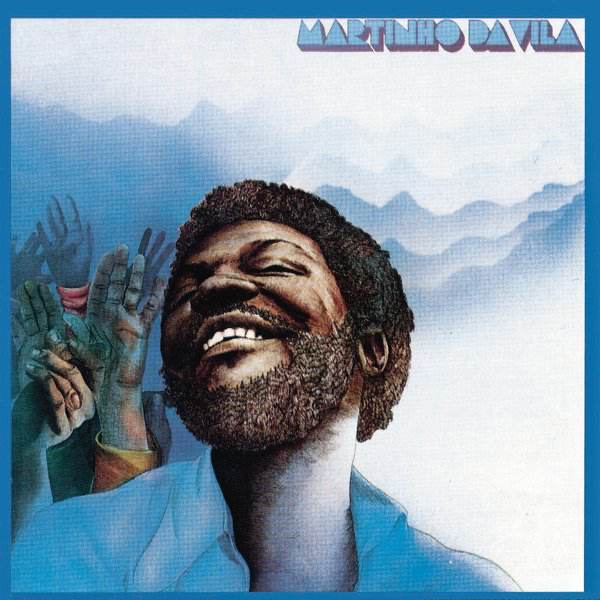
 View Artist