Song Meaning
The lyrics paint a vivid scene on a sun-drenched beach, observing a curious social dynamic where racial identities are fluid or aspirational. Amidst this, the narrator's gaze drifts to distant shores, hinting at a deeper yearning. This initial observation quickly pivots to an urgent, repeated invitation.
A core tension emerges from the lines "Onde há branco querendo ser preto / E mulato querendo esnobar," suggesting a society grappling with racial identity and status. The narrator then extends a direct invitation to "Nego" to "Vem pra minha terra / Ser igual a branco," a loaded proposition that implies a promise of equality or a challenge to existing hierarchies.
The repeated "Vem, vem" acts as a powerful, insistent call, driving the narrative forward with a sense of urgency. This call is coupled with a fascinating blend of proposed activities: "tentar um banco / De universidade" points to upward mobility, while "trabalhar nos campos" and "tocar viola abessa" evoke a connection to land and traditional culture. The lyrics present a life that balances aspiration with grounded reality and artistic expression.
The effectiveness of these lyrics lies in this complex invitation. The call to "Lutar pela vida" acknowledges hardship, yet it's immediately followed by "Sambar na avenida," suggesting that struggle and vibrant celebration are intertwined. The final refrain, "Nego, vem plantar / Vem cantar," encapsulates the essence: a call to productive labor and joyful cultural expression, offering a vision of belonging and agency within a challenging social landscape.
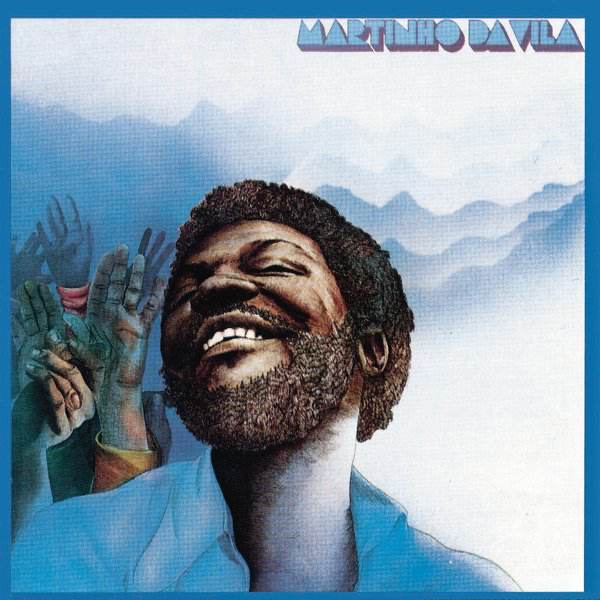
 View Artist