Song Meaning
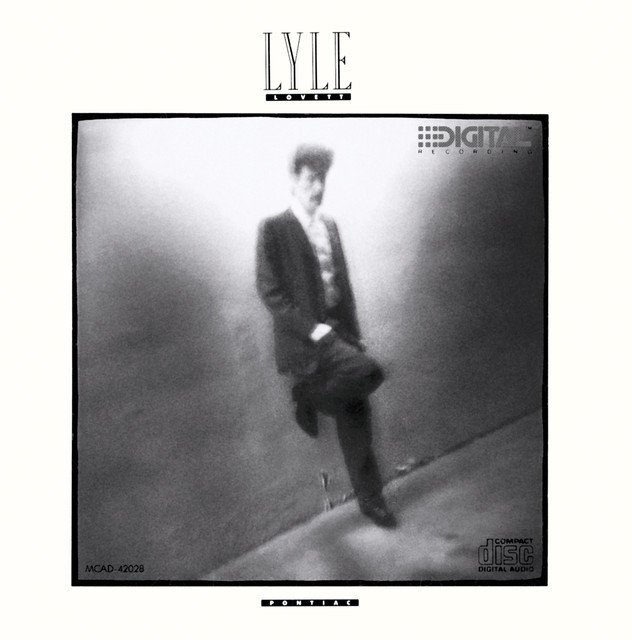
Lyle Lovett's "Pontiac" isn't a wistful ode to classic American cars; it's a chilling glimpse into the fractured psyche of a man haunted by violence and suffocated by domesticity. The surface is deceptively placid: an old man, a vintage car, a quiet afternoon ritual. But beneath that veneer simmers a disturbing disconnect from reality. The lyrics analysis reveals a protagonist who seeks refuge not just in the physical act of parking his Pontiac, but in constructing an elaborate fantasy. He's not merely a 'nice old man' as perceived by his neighbors; he's a war hero, a figure of brutal strength. This stark contrast between perception and self-image suggests a profound alienation. The car itself becomes a symbol of a bygone era, perhaps a time when the man felt more potent, more defined. It's a retreat from the present, a present that is clearly unbearable. The Coke and cigarette are not simple pleasures, but props in his carefully constructed performance of normalcy.
The most unsettling element lies in the casual confession of violence – 'I killed twenty German boys / With my own bare hands.' This isn't a boast, but a matter-of-fact declaration, delivered with a chilling lack of emotion. Whether it's a true memory or a manifestation of PTSD, it highlights a capacity for brutality that belies the 'nice old man' facade. The focus on the girl across the street and his unspoken communication underscores his isolation. He believes he's conveying something profound with his eyes, but she remains oblivious, trapped in her own world. It speaks to a desperate need to connect, to be seen and understood, but an inability to do so in a healthy or meaningful way.
Finally, the woman inside his house embodies the suffocating weight of his reality. Her incessant talking is not communication, but noise, a constant reminder of the emptiness of his life. The line 'She never says a thing / She just keeps talking' is devastating in its simplicity. It encapsulates the profound lack of connection, the inability to find solace or understanding within his own home. His contemplation of leaving her, 'After the sun goes down / And I smoke this cigarette,' is not necessarily a threat of violence, but a desperate desire for escape. The 'Pontiac' then, is more than just a car; it's a vehicle for fantasy, a temporary refuge from a world he can no longer bear, driven by a man on the edge.
 View Artist