Song Meaning
Lyle Lovett's "Don't You Worry" isn't just a country tune; it's a subtly devastating observation on cyclical abuse and the blurred lines of victimhood. The song's deceptively simple structure, juxtaposing mundane Saturday night routines with flashbacks of violence, creates a chilling effect. The repeated imagery of "yellow hair" and "high-heel shoes" initially seems to depict a specific woman wronged, but quickly morphs, implicating multiple characters in a pattern of harm. It's a masterclass in understated storytelling, leaving the listener to piece together the fragmented narrative.
Lovett’s lyrical choices hint at a deeper psychological undercurrent. The shift from a passive observation ("She had yellow hair...") to direct accusation ("And you left her black and blue") implicates the listener, forcing a confrontation with the uncomfortable truth that complicity often masks itself as detached observation. The mention of specific years, 1956 and 1985, adds a layer of historical weight, suggesting that this cycle of abuse isn't a modern phenomenon but a recurring theme across generations. The black and white TV symbolizes a nostalgic yearning for a simpler time, juxtaposed against the stark reality of domestic violence.
The real genius of "Don't You Worry" lies in its refusal to offer easy answers or assign clear blame. The final repetition of "What's it to you? / It's black and blue" serves as a gut-punch, a challenge to our own apathy and the tendency to distance ourselves from uncomfortable realities. Lovett doesn't preach; he presents a stark, fragmented portrait of a broken system, leaving us to grapple with the implications. The song's true meaning resides not in the specific events described, but in the unsettling recognition of a pattern that continues to repeat itself, often hidden in plain sight.
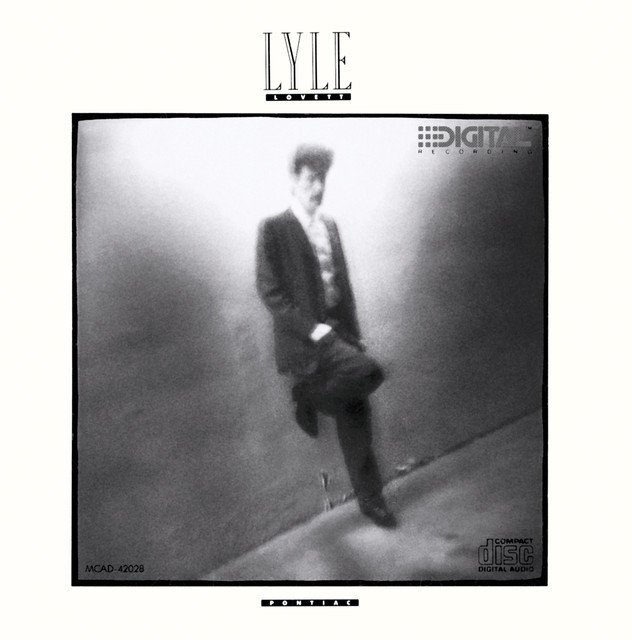
 View Artist