Song Meaning
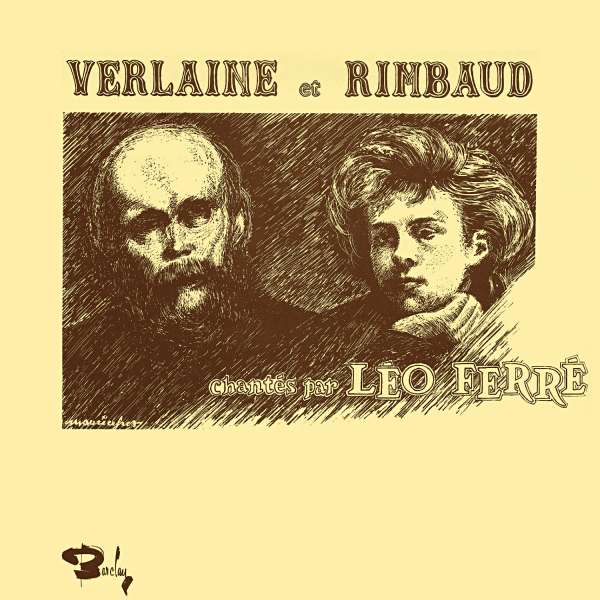
Léo Ferré's rendition of Arthur Rimbaud's "Rêvé pour l'hiver" isn't just a song; it's a carefully constructed escape hatch from a reality the speaker finds increasingly unbearable. The opening lines paint an idyllic picture: a rose-colored train car, plush cushions, a haven for "fous baisers." This isn't mere romance; it's a deliberate retreat into a self-contained world of intimacy, a bulwark against the encroaching darkness. The color choices themselves – rose and blue – suggest a curated, almost childlike innocence, a desperate attempt to reclaim a lost sense of purity. The imagery evokes a womb-like safety, a space where the lovers can be "bien," insulated from the horrors lurking outside. It’s a potent, if fragile, defense mechanism against a world perceived as hostile.
The core of the poem, and Ferré's interpretation, lies in the explicit rejection of the outside world. "Tu fermeras l'oeil, pour ne point voir, par la glace / Grimacer les ombres des soirs." The frosted window becomes a filter, a conscious choice to avoid confronting the "monstruosités hargneuses" – the snarling monsters, the black wolves, the demonic populace that represents the speaker's anxieties. This isn't just about ugliness; it's about a fundamental distrust of society, a fear of the shadows that lurk beneath the surface of everyday life. The act of closing one's eyes is not simply avoidance, but a powerful act of self-preservation within the confines of their shared dream.
The final stanza introduces a playful, almost erotic element. The tickling sensation, the "folle araignée" of a kiss, becomes a game, a shared secret. The search for the "bête / Qui voyage beaucoup" is a metaphor for the elusive nature of pleasure, the constant need to rediscover and reaffirm the bond between the lovers. It's a microcosm of their relationship, a dance of intimacy and desire that reinforces their separation from the outside world. The "bête" is also the anxiety itself, transformed into a playful game, and rendered harmless within the safety of their shared dream. Ferré's arrangement elevates Rimbaud's poem, making it a haunting meditation on love as a refuge from societal anxieties, a beautifully fragile sanctuary built against the encroaching winter of the soul.
 View Artist