Song Meaning
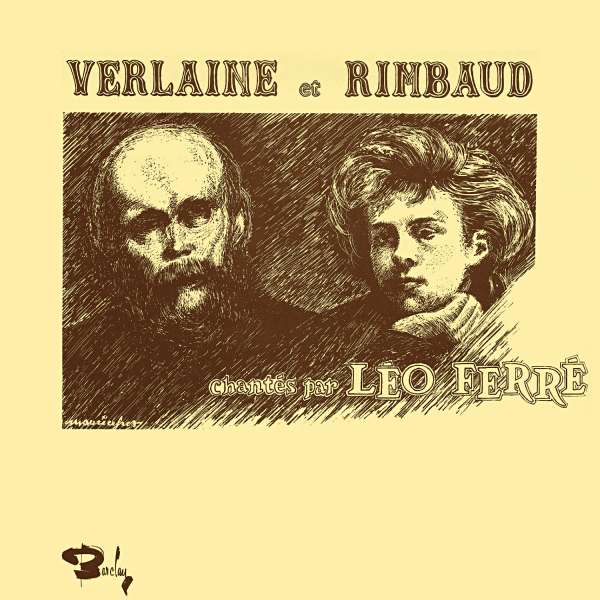
Léo Ferré's rendition of Paul Verlaine's "Ô triste, triste était mon âme" is not simply a lament; it's a psychological autopsy of heartbreak. The poem, stark in its simplicity, dissects the paradoxical nature of enduring pain, the kind that lingers long after the initial wound. Ferré, with his signature gravitas, amplifies the poem's inherent drama, transforming Verlaine's verse into a raw, almost unbearable expression of emotional persistence. The core of the song meaning rests in this central conflict: the heart and soul's physical or emotional departure from a woman, juxtaposed against the speaker's utter inability to find solace. It is a portrait of a man haunted.
The repetition of "Ô triste, triste était mon âme / À cause, à cause d'une femme" acts as a haunting refrain, underscoring the cyclical nature of grief. The heart and soul, though ostensibly liberated from the woman's influence, remain tethered to the memory of her. Verlaine, through Ferré's interpretation, masterfully illustrates the mind's capacity to sabotage its own healing. The heart, described as "trop sensible," questions the very possibility of such a painful exile, highlighting the internal struggle between the desire for freedom and the inescapable pull of attachment. This isn't just sadness; it's a form of self-inflicted torment.
The dialogue between the soul and the heart further deepens the song's psychological complexity. The soul's response, "Sais-je / Moi-même que nous veut ce piège / D'être présents bien qu'exilés / Encore que loin en allés," reveals a profound sense of confusion and entrapment. The "piège" isn't necessarily the woman herself, but the speaker's own inability to fully detach. He is exiled in presence, far away, but very much still there in mind and spirit. The song's enduring power lies in its unflinching portrayal of this emotional impasse, capturing the essence of a heartbreak that refuses to fade, a wound that continues to bleed long after it should have healed. It's a stark reminder that sometimes, the most formidable prisons are the ones we build ourselves.
 View Artist