Song Meaning
Léo Ferré's setting of Arthur Rimbaud's poem "Voyelles" is more than just a recitation; it's a visceral explosion of synesthesia rendered in sound. Ferré, a master of marrying poetic heft with raw emotion, doesn't simply sing the poem; he embodies its core conceit: that vowels possess inherent colors and emotional landscapes. The song's power lies in how it unlocks the subconscious link between sound and sensation. Rimbaud's original intent, shrouded in his own turbulent psyche, is amplified by Ferré's declamatory style, forcing the listener to confront the subjective nature of perception. Is 'A' truly black, a 'hairy corset of dazzling flies'? Ferré dares you to disagree, his voice a persuasive weapon. The 'O, supreme clarion' becomes less a sound and more a gateway, a 'violet ray' piercing through the veil of conventional thought.
Ferré's interpretation embraces the poem's inherent surrealism. It’s a journey into the mind's eye, where 'I' bleeds crimson, evoking both laughter and repentance. The 'U, cycles, divine vibrations of green seas,' presents a vision of tranquility juxtaposed against the preceding violent imagery. This constant shifting highlights the instability of meaning, the fluidity of the human experience. The 'paix des pâtis' (peace of the pastures) offers a fleeting respite before the final, overwhelming 'O.'
Ultimately, Ferré's "Voyelles" is a testament to the power of suggestion. It's an invitation to dismantle the rigid structures of language and embrace a more intuitive understanding of the world. The song isn't about deciphering a code, but about experiencing a feeling, a sensation, a fleeting glimpse into the interconnectedness of everything. Ferré doesn't just sing Rimbaud; he channels him, becoming a conduit for the poet's revolutionary vision. The song is a reminder that meaning isn't fixed, but rather a constantly evolving landscape shaped by our own individual perceptions.
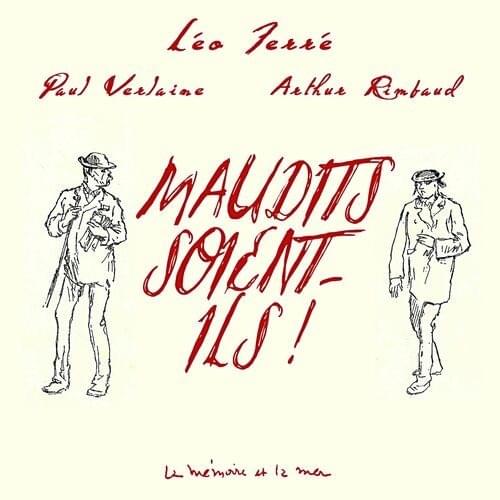
 View Artist