Song Meaning
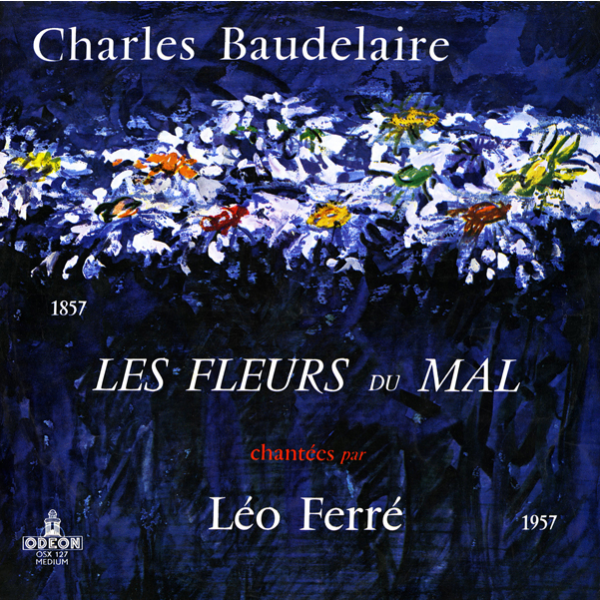
Léo Ferré's rendition of "L'invitation au voyage" is more than just a song; it's a psychological landscape painted with Baudelaire's words and Ferré's distinct musicality. The lyrics, a direct lift from Baudelaire's poem, invite a journey to an idealized space, a refuge from the complexities and harsh realities of existence. This "voyage" isn't merely physical; it's a deep dive into the subconscious, a yearning for a state of being defined by order, beauty, luxury, calm, and voluptuousness. It speaks to a fundamental human desire to escape suffering and find solace in sensory pleasure and aesthetic harmony. The opening lines, addressing "Mon enfant, ma soeur," immediately establish an intimate, almost incestuous bond, suggesting that this journey is not just about physical escape but a return to a primal, perhaps pre-oedipal, state of union and comfort.
The recurring refrain, "Là, tout n'est qu'ordre et beauté, Luxe, calme et volupté," functions as a mantra, a hypnotic suggestion designed to lull the listener into accepting this idealized vision. But there's a subtle tension beneath the surface. The "soleils mouillés" (wet suns) and "ciels brouillés" (turbid skies) hint at a melancholic undercurrent, suggesting that even in this paradise, shadows of sadness and uncertainty persist. The "traîtres yeux" (treacherous eyes) further complicate the picture, implying that the source of both pleasure and pain is intertwined, perhaps residing in a beloved figure whose allure is both captivating and dangerous.
Ferré's interpretation amplifies this sense of yearning and bittersweet longing. The music, with its somber tone and deliberate pacing, underscores the poem's inherent melancholy. The song becomes an exploration of the human psyche's capacity for both exquisite pleasure and profound sadness. The destination, this land of "ordre et beauté," may be unattainable in its purest form, but the invitation to imagine it, to yearn for it, is itself a powerful act of defiance against the mundane and the painful aspects of life. Ultimately, "L'invitation au voyage" is a testament to the enduring human need to create idealized spaces, both internal and external, as a means of coping with the complexities of existence.
 View Artist