Song Meaning
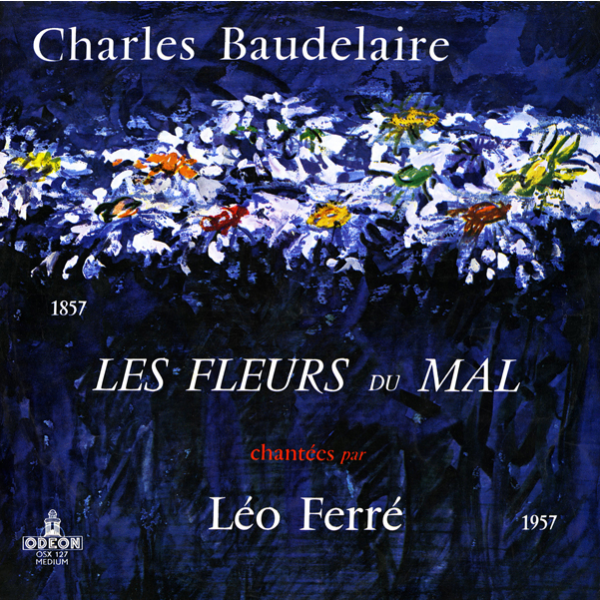
Léo Ferré's "Brumes et pluies" isn't just a song; it's a melancholic ode to the seasons of decay, a love letter written in the language of fog and perpetual twilight. Ferré embraces the gloom, not as a curse, but as a balm for a soul already acquainted with shadows. The "fogs and rains" of the title become a metaphor for emotional entombment, a "vaporous shroud" that dulls the sharp edges of existence. He finds solace in the bleakness of autumn and winter, seasons that mirror the funereal landscape of his own heart. It's a fascinating inversion of the typical romantic association with springtime and rebirth. Ferré finds those traditional symbols of hope to be less comforting than the cold embrace of the dying year.
The lyrics drip with a sense of resignation, almost a perverse pleasure in the face of encroaching darkness. He speaks of his heart and mind being enveloped in a "vague tomb," yet there's no struggle against it, only acceptance. The image of his soul opening its "crow's wings" in the cold wind suggests a liberation found not in sunlight, but in the freedom to fully inhabit the darkness. This is not a cry for help, but a declaration of independence from the tyranny of forced optimism. The "heart full of funereal things" finds comfort in the "pale shadows" of the blighted seasons.
Ultimately, "Brumes et pluies" delves into the human need to find beauty and solace in unexpected places. Ferré suggests that true healing sometimes lies not in escaping sadness, but in fully surrendering to it. The final couplet offers a fleeting glimpse of human connection as a potential, albeit temporary, respite from the gloom—"to lull pain to sleep on a chance bed." But even this connection is tinged with the same melancholy that permeates the entire song. It's a transient comfort, a brief flicker of warmth in an otherwise eternally gray landscape. This song is a masterclass in finding profound meaning within the somber corners of the human experience.
 View Artist