Song Meaning
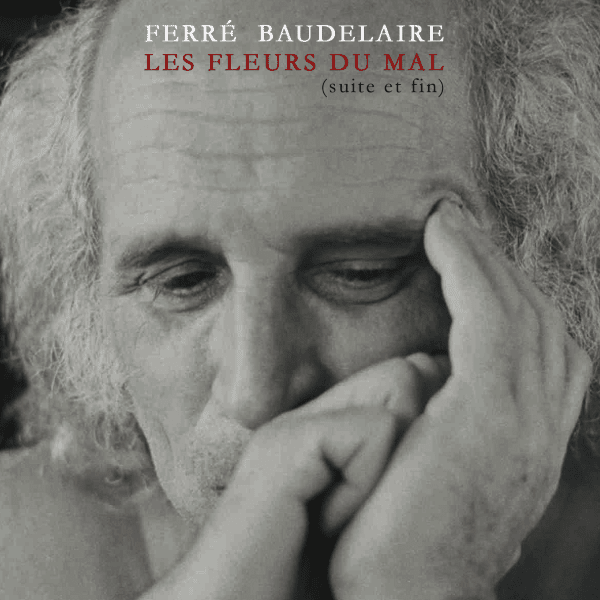
Léo Ferré's "Le Guignon" isn't just a song; it's a concentrated dose of existential dread set to music. Ferré, a master of marrying poetic lyricism with raw emotion, dives headfirst into the Sisyphean struggle against an uncaring universe. The opening lines immediately establish this theme, invoking Sisyphus to illustrate the immense, perhaps insurmountable, weight of existence. It's not just about working hard; it's about the crushing realization that "L'Art est long et le Temps est court"—the creative impulse, the very act of living, is a race against an inevitable deadline. The song meaning here is not of simple bad luck, as the title might suggest, but a fundamental condition of being.
The imagery then shifts to a solitary, forgotten graveyard, a potent symbol of mortality and the relentless march of time. Ferré's heart, described as a "tambour voilé" (veiled drum), beats out a funeral march, not just for himself, but for all the potential, beauty, and joy that is ultimately swallowed by oblivion. The veiled drum suggests a muffled grief, a sorrow that is profound but perhaps not fully expressed or understood, hinting at the psychological complexities of facing one's own mortality. This isn't just sadness; it's a confrontation with the void.
Ferré laments the "joyau" (jewels) and "fleur" (flower) lost to the darkness and solitude. These aren't literal treasures, but metaphors for unrealized potential, forgotten love, and the quiet beauty that withers unseen. The flower's perfume, released in secret, underscores the tragedy of unacknowledged beauty. The song's power lies in its ability to evoke this sense of profound loss – the understanding that so much of what makes life meaningful is ultimately destined to fade away, unheard and unremembered. Ferré isn't offering easy answers or comforting platitudes; he's forcing us to confront the melancholic truth of existence, making "Le Guignon" a haunting meditation on mortality and the enduring struggle against meaninglessness.
 View Artist