Song Meaning
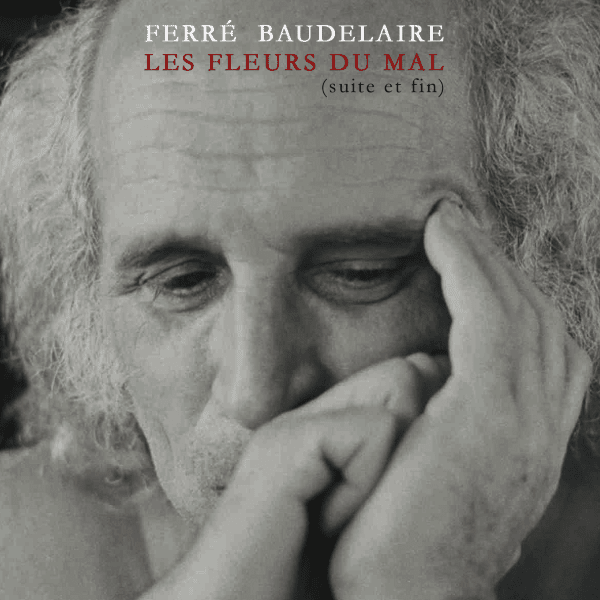
Léo Ferré's "La Fontaine de Sang" isn't just a song; it's a visceral portrait of existential bleeding. The opening lines establish the central metaphor: the speaker's blood flows endlessly, like a fountain of rhythmic sobs. This isn't literal blood loss, but a draining of the self, a constant expenditure of vital essence. The haunting question, "Mais je me tâte en vain pour trouver la blessure" (But I grope in vain to find the wound), speaks to the elusive nature of this suffering. It's not a specific trauma, but a pervasive condition. The blood’s relentless flow through the city, transforming cobblestones into islands and coloring nature red, suggests the speaker's pain permeates everything he touches, altering reality itself.
Ferré then delves into the speaker's attempts to staunch the flow, to find relief from this internal hemorrhage. The appeal to "vins captieux" (seductive wines) is a classic attempt at numbing the pain, but it offers no lasting solace. Wine may sharpen the senses, but it doesn't heal the underlying wound. Similarly, love, typically a source of comfort, becomes "un matelas d'aiguilles" (a mattress of needles), an instrument of further torment. The speaker's blood, the life force draining away, serves only to quench the thirst of "ces cruelles filles" (these cruel girls), implying a parasitic relationship where love is a source of exploitation and pain.
The “cruel girls” are representative of the vampiric nature of interpersonal relationships, where intimacy becomes a transaction that leaves him depleted. Ferré masterfully uses the image of the blood fountain as a symbol of the artist’s relentless self-sacrifice, the pouring out of one's very being in the act of creation and connection. Ultimately, "La Fontaine de Sang" is a bleak but beautiful meditation on the cost of living, loving, and creating in a world that constantly demands more than we can give.
 View Artist