Song Meaning
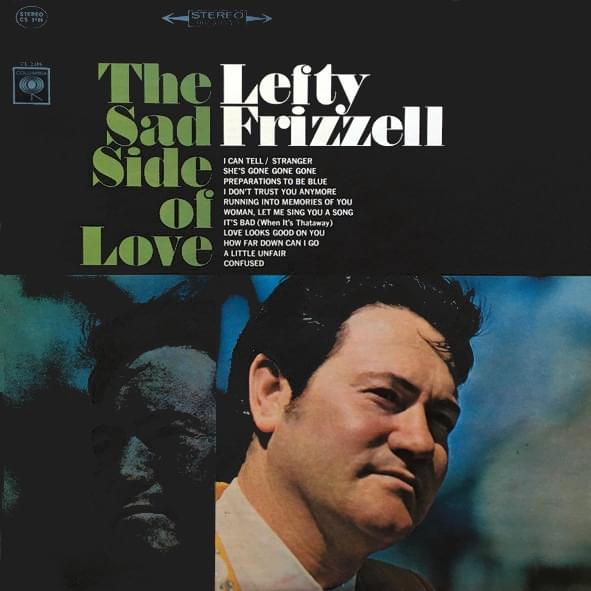
Lefty Frizzell’s lament, "It's Bad (When It's Thataway)," isn't just a country tune; it's a masterclass in existential resignation. The song’s surface simplicity – a cyclical tale of agricultural woes, bovine infertility, and romantic desertion – belies a deeper meditation on the interconnectedness of life’s disappointments. Frizzell isn't merely singing about a bad harvest or a wandering woman; he's exploring the domino effect of misfortune, where one loss inevitably precipitates another. The understated delivery and the almost laconic repetition of the chorus, "It's bad when it's that a way / And it's bad a way now," amplify the sense of weary acceptance.
The genius of "It's Bad (When It's Thataway)" lies in its use of rural imagery to convey universal anxieties. The failing crop and dry cow are not just literal representations of agricultural hardship, but metaphors for impotence and lack of sustenance – both physical and emotional. The woman's departure, triggered by the singer's inability to provide, becomes the final, crushing blow. The lyrics, especially in the fourth verse, lay bare the devastating consequences: "I don't have a woman with love that's real / I don't have money to pay my bills / I just got heartaches and broken vows." This is the stark reality of a man stripped bare, left with nothing but the echoes of promises and the sting of regret.
Ultimately, Lefty Frizzell's song meaning isn’t about specific failures but the crushing weight of cumulative loss. It's a portrait of a man facing the disintegration of his world, not with anger or defiance, but with a weary acknowledgment of the inherent unfairness of existence. The chorus becomes less a statement of fact and more a mantra of acceptance, a grim acknowledgement that sometimes, things are just… bad. And that's the way it is. The song’s power resides in its unflinching portrayal of despair, delivered with a subtlety that resonates long after the final chord fades.
 View Artist