Song Meaning
Lefty Frizzell's "I Don't Trust You Anymore" isn't just a lament; it's a masterclass in the psychology of heartbreak, dissecting the toxic push-and-pull of a relationship perpetually on the brink. Frizzell doesn't waste time on flowery language. The opening lines are a direct, almost brutal, rejection of the familiar reassurances that once held sway. The phrase "Don't shoot me that old lie" suggests a weariness, a deep-seated understanding that the words of affection are now weapons of manipulation rather than comfort. It's the sound of a man who's been burned too many times, his vulnerability weaponized against him. The raw honesty of his delivery amplifies the underlying tension between love and distrust, a dichotomy that fuels the song's emotional core.
The core of the song meaning lies in the cyclical nature of the relationship. The repeated chorus, "But I don't trust you anymore," acts as a stark counterpoint to the lingering affection expressed in the verses. The line, "I love you and I always will / And I can't help the way I feel," reveals the painful truth: love persists even when trust is irrevocably broken. This internal conflict is what makes the song so compelling. It's not simply about falling out of love, but about the agonizing realization that love itself can be a trap when intertwined with deceit.
Frizzell lays bare the frustrating dynamic of reconciliation and relapse. The verse referencing a previous agreement to separate highlights the futile attempts to escape the destructive pattern. The image of "your foot back in the door" is particularly potent, conveying the insidious way the other person re-enters his life, preying on his enduring feelings despite the knowledge of past betrayals. The final lines of the verse, "I guess you'll win like you have before/ But I don't trust you anymore/ I've loved you and I always will," perfectly encapsulates the tragic acceptance of his fate. He knows the cycle will likely repeat, that his love will continue to be exploited, yet he seems powerless to resist. It's a bleak, but honest, portrayal of the complexities of love and the difficulty of breaking free from a toxic connection.
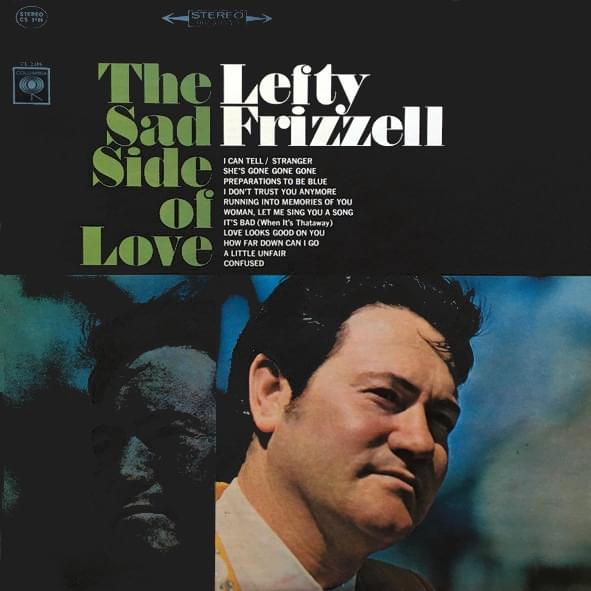
 View Artist