Song Meaning
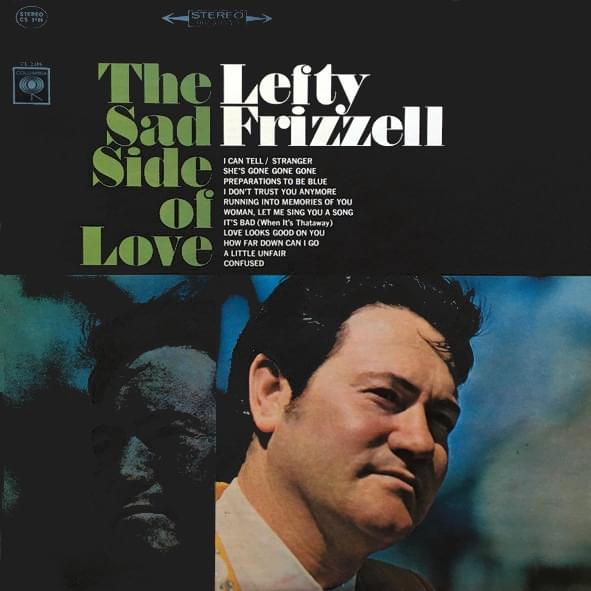
Lefty Frizzell’s "Confused" isn’t just a lament; it’s a masterclass in country music masochism. The song's core revolves around a paradox of pain and persistent affection. Frizzell lays bare the contradictions of a love affair defined by manipulation and emotional turmoil. The stark simplicity of the lyrics – "You used me then refused me / You brought this lovesick heart so much pain / You abused me, confused me / But still I love you just the same" – cuts deep, exposing the raw nerve of a man utterly bewildered by his own devotion. The repeated assertion of unchanged love, despite the documented mistreatment, is not a statement of strength, but an unnerving confession of vulnerability. It is a portrait of a man trapped in a cycle of emotional abuse, unable or unwilling to break free. The song's power lies in its unflinching portrayal of this internal conflict.
"Confused" doesn’t offer excuses or justifications for this persistent love. It simply states it as a fact, a deeply ingrained, almost primal response to the woman who inflicts the pain. The phrase "lovesick heart" is particularly telling, framing the emotion as an illness, an affliction that clouds judgment and overrides self-preservation. The repetition of "You used me, confused me / But still I love you just the same" in the chorus hammers home the cyclical nature of the relationship. It’s a loop of hurt and helpless adoration, suggesting a pattern of behavior that has become entrenched over time. The brief glimpse of a former, idealized past – "I can recall when I came first of all / And I thought our love will never ever change" – only serves to heighten the sense of loss and bewilderment. It emphasizes the vast gulf between the initial promise of the relationship and the harsh reality of its current state.
Ultimately, the song meaning of "Confused" resides in its unflinching examination of the darker corners of love. It's a song about the agonizing power dynamics that can warp even the purest emotions. Lefty Frizzell avoids any easy answers or sentimental resolutions, instead leaving the listener to grapple with the uncomfortable truth that love, in its most distorted forms, can be a source of profound and enduring suffering. The brilliance of Frizzell lies in the unflinching honesty of his lyrics. This isn’t just a song about heartbreak; it’s a chilling exploration of the self-destructive impulses that can drive human behavior in the face of emotional devastation.
 View Artist