Song Meaning
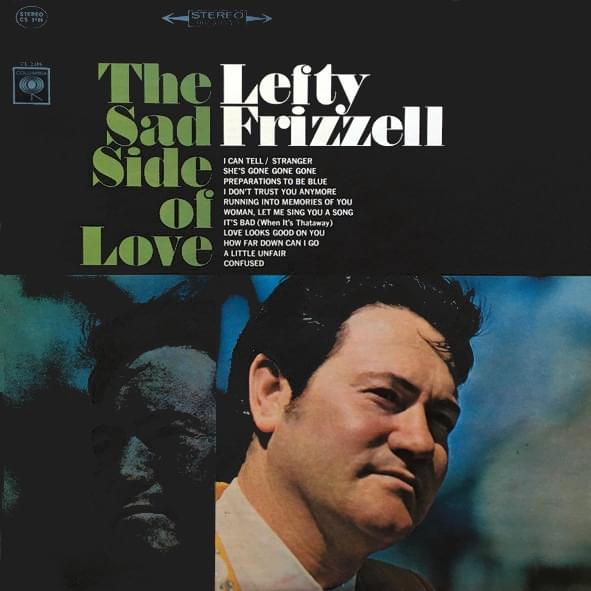
Lefty Frizzell's "Woman, Let Me Sing You A Song" isn't just a plea; it's a passive-aggressive masterclass delivered in classic country twang. The repeated chorus, "Woman let me sing you a song," initially sounds like a serenade, a lover yearning to express devotion. But the lyrical content swiftly betrays this facade. The song quickly devolves into a litany of grievances, thinly veiled as musical expression. The singer isn't offering a love song; he's demanding an audience for his complaints. The raw emotionality of the performance, inherent in Frizzell's style, adds layers to the lyrical content, creating a compelling performance.
The song's verses reveal a relationship fractured by accusations and perceived betrayals. He deflects blame for his own misdeeds ("the neighbors all say I run around"), twisting the narrative to position himself as the injured party. Even his drinking, a classic country music trope, becomes her fault: "the reason why I drink is a thought you make to think." This isn't a confession of weakness; it's an accusation leveled with a melody. The genius of the song lies in its ambiguity. Is he genuinely wounded by her actions, or is he a master manipulator, using song as a weapon to control the narrative and guilt-trip his partner?
Ultimately, "Woman, Let Me Sing You A Song" exposes the dark underbelly of codependency and blame. It's a portrait of a relationship where communication has broken down, replaced by passive-aggressive jabs and thinly veiled accusations. The final lines, "I said, 'I'd die for you and I have the time or two,' Woman let me sing you a song,' Now woman I've done sang you my song," underscore the performative nature of his suffering. He's delivered his 'song,' his indictment, and the implication is clear: now it's her turn to respond, likely with another verse in this endless cycle of recrimination.
 View Artist